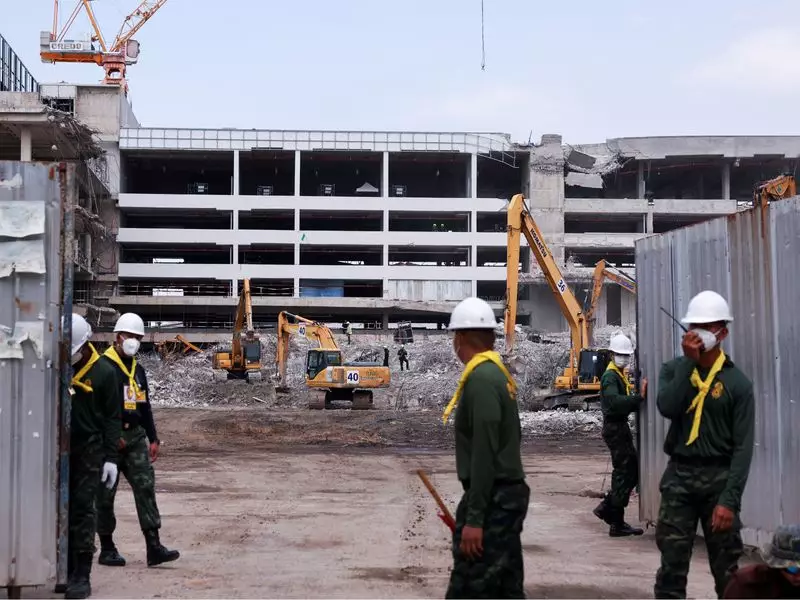
Mild Earthquake of Magnitude 3.4 Strikes Myanmar, No Damage Reported
A mild earthquake with a magnitude of 3.4 on the Richter scale struck Myanmar, according to recent reports. The tremor occurred in the region, causing no immediate damage or casualties. This event underscores the ongoing seismic activity in Myanmar, which is situated in a seismically active zone prone to such occurrences.
Details of the Earthquake
The earthquake, measuring 3.4 in magnitude, was recorded as a minor tremor. It struck Myanmar, a country in Southeast Asia known for its diverse geography and frequent seismic events. The Richter scale, used to measure earthquake magnitudes, indicates that a magnitude of 3.4 is generally considered mild and often goes unnoticed by many people, though it can be felt in the immediate vicinity.
Initial assessments suggest that there were no reports of structural damage, injuries, or fatalities following the earthquake. Authorities and local residents have not raised any alarms, indicating that the tremor passed without significant impact. However, such events serve as a reminder of the natural hazards present in the region.

Seismic Activity in Myanmar
Myanmar is located in a seismically active area, part of the larger tectonic plate boundaries that include the Indian and Eurasian plates. This geological setting makes the country susceptible to earthquakes of varying intensities. Over the years, Myanmar has experienced numerous tremors, ranging from mild to more severe ones that have caused damage.
Key points about seismic activity in Myanmar include:
- Frequent Occurrences: Earthquakes are relatively common in Myanmar due to its position along fault lines.
- Historical Context: The country has a history of significant earthquakes, such as the 2016 quake that affected parts of the region.
- Preparedness Measures: Local authorities often monitor seismic activity and implement safety protocols to mitigate risks.
This recent 3.4 magnitude earthquake is part of the normal seismic pattern observed in Myanmar. While it did not cause harm, it highlights the importance of ongoing vigilance and preparedness for potential larger events in the future.
Impact and Response
Following the earthquake, there have been no reports of disruptions to daily life or infrastructure in Myanmar. The tremor was likely felt by some residents, but it did not trigger any emergency responses or evacuations. This aligns with typical outcomes for earthquakes of this magnitude, which are often too weak to cause noticeable effects beyond slight shaking.
In comparison to more powerful earthquakes, a magnitude 3.4 event is considered minor and usually does not warrant widespread concern. However, it serves as a useful reminder for communities to stay informed about seismic risks and maintain readiness for any unforeseen natural disasters.
Overall, the mild earthquake in Myanmar passed without incident, reinforcing the region's resilience to such natural phenomena. Continued monitoring and public awareness are essential to ensure safety in seismically active areas like Myanmar.