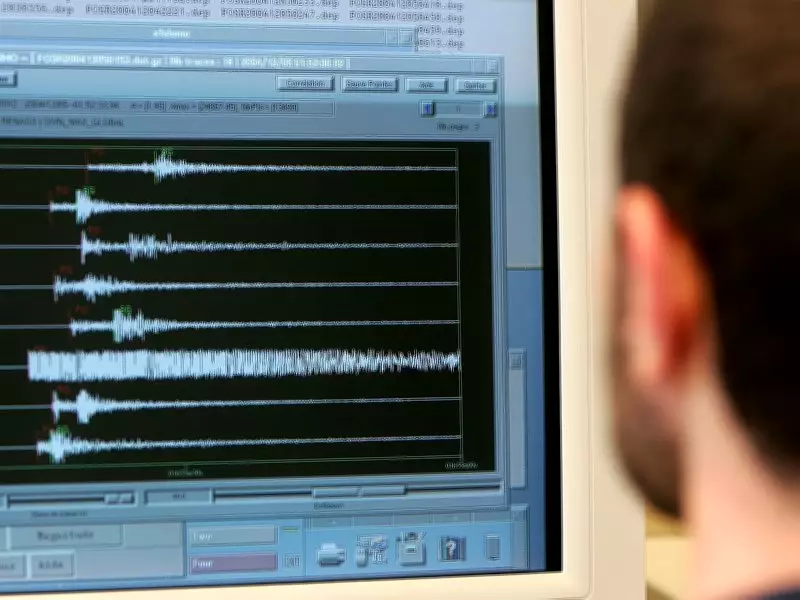
Powerful 6.2 Magnitude Earthquake Strikes Indonesia, No Tsunami Alert Issued
A significant seismic event rattled Indonesia as a 6.2 magnitude earthquake struck the region, according to recent reports. The tremor, which occurred in a seismically active area, has prompted immediate assessments by local authorities and disaster management teams.
Details of the Seismic Event
The earthquake, measuring 6.2 on the Richter scale, was recorded by geological monitoring agencies. It originated at a moderate depth, which typically influences the intensity of shaking felt on the surface. Initial data indicates that the epicenter was located in a remote or offshore area, which may have mitigated potential impacts on densely populated regions.
Response and Safety Measures
Indonesian authorities have swiftly responded to the event, confirming that no tsunami alert has been issued. This decision is based on the earthquake's characteristics, such as its magnitude and location, which do not meet the criteria for generating a significant tsunami wave. Emergency services are on standby to address any reports of damage or injuries, though none have been confirmed so far.

Residents in affected areas reported feeling strong tremors, leading to brief evacuations in some places as a precaution. However, there are no immediate reports of structural damage or casualties, suggesting that the earthquake's effects were limited. The situation remains under close monitoring, with updates expected as more information becomes available.
Indonesia's Seismic Vulnerability
Indonesia is part of the Pacific Ring of Fire, a region notorious for frequent earthquakes and volcanic activity due to tectonic plate movements. This latest event underscores the country's ongoing vulnerability to seismic hazards. Past earthquakes in Indonesia have caused significant destruction, making preparedness and rapid response critical for minimizing risks.
Experts emphasize the importance of earthquake-resistant infrastructure and public awareness campaigns to enhance safety. While this earthquake did not trigger a major disaster, it serves as a reminder of the need for continuous vigilance and investment in disaster mitigation strategies.
Global Implications and Monitoring
International seismic networks are tracking the aftermath of the earthquake, providing data that could aid in future risk assessments. Such events often draw attention to the broader challenges of natural disaster management in seismically active zones worldwide.
In summary, the 6.2 magnitude earthquake in Indonesia has caused tremors but no significant damage or tsunami threat. Authorities continue to monitor the situation, ensuring public safety remains a top priority.