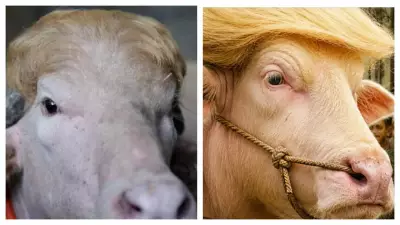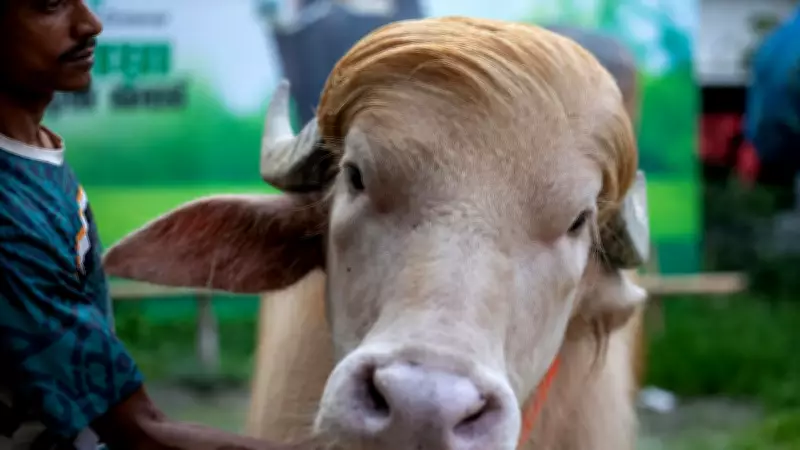
A buffalo weighing nearly 700 kilograms, named Donald Trump, has been saved from being sacrificed during Eid al-Adha in Bangladesh. The animal, which was about to be slaughtered for the religious festival, was rescued by animal rights activists and local authorities after a viral social media campaign drew attention to its plight.
How the Rescue Happened
The buffalo, owned by a farmer in the Netrokona district, was intended for sacrifice during the Islamic festival of Eid al-Adha, also known as Bakrid. However, after photos and videos of the massive animal circulated online, thousands of people urged authorities to spare its life. The district administration, along with police and animal welfare groups, intervened and convinced the owner to sell the buffalo to a sanctuary instead.
Public Reaction
The story quickly went viral, with many comparing the buffalo's size to that of a small car. Social media users expressed relief that the animal was saved, while some criticized the festival's tradition of animal sacrifice. The buffalo was named Donald Trump due to its large size and prominence, drawing comparisons to the former US president.

- The buffalo weighs approximately 700 kg, significantly larger than average.
- It was purchased by a local businessman who donated it to an animal shelter.
- Animal rights groups praised the rescue as a step toward more humane practices.
Broader Context
Eid al-Adha is one of the most important festivals in Islam, commemorating the willingness of Prophet Ibrahim to sacrifice his son. It involves the slaughter of animals such as goats, sheep, cows, and buffaloes, with the meat distributed among family, friends, and the poor. However, the practice has faced increasing scrutiny from animal rights activists, who argue for alternatives like monetary donations.
In Bangladesh, where the festival is widely observed, the rescue of Donald Trump has sparked a debate about tradition versus compassion. While many celebrate the buffalo's survival, others defend the religious practice. The incident highlights the growing influence of social media in shaping public opinion and policy.