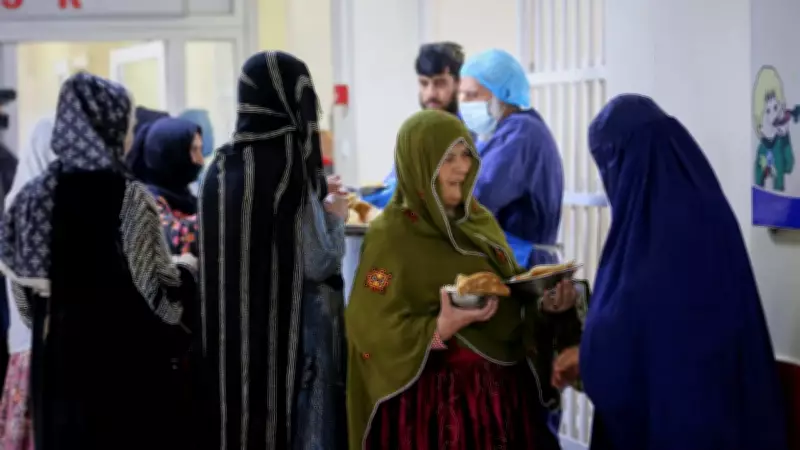
Disturbing reports from Afghanistan's Ghor province reveal that families are selling their young daughters to afford food, medical expenses, and debt relief. The United Nations states that three out of four people in Afghanistan cannot meet basic needs due to widespread unemployment, a struggling healthcare system, and reduced international aid. An estimated 4.7 million people, over 10% of the population, are on the brink of famine.
Fathers Forced into Impossible Choices
According to a BBC report, fathers in Ghor province described being forced into heartbreaking decisions as hunger deepens. Abdul Rashid Azimi, a resident, said he is considering selling one of his seven-year-old twin daughters, Roqia and Rohila, because extreme poverty, debt, and unemployment have left him unable to feed his family.
"I'm willing to sell my daughters. I'm poor, in debt, and helpless," Azimi told BBC, weeping. He described coming home exhausted to children begging for bread, with no work available. Hugging and kissing Rohila, he said the decision "breaks my heart" but is the only option for survival.

Medical Crisis Leads to Daughter's Sale
Another father, Saeed Ahmad, sold his five-year-old daughter Shaiqa to a relative after she developed appendicitis and a liver cyst. Unable to afford treatment, he arranged a payment of 200,000 Afghanis under which Shaiqa would eventually marry into the relative's family. He accepted only enough for the surgery initially, delaying the rest so she could stay with him a few more years.
Two years ago, Ahmad's family received food aid, but sharp cuts in international assistance—especially after the US slashed nearly all aid to Afghanistan—left families without basic lifelines.
Why Daughters Are Sold Over Sons
Families largely sell daughters rather than sons because boys are traditionally seen as future earners. Under Taliban restrictions limiting education and employment for women, this preference has intensified. Additionally, a custom where the groom's family pays the bride's family makes daughters a source of immediate financial relief for impoverished families facing hunger, debt, or medical crises.
Underage marriage remains widespread in Afghanistan and has reportedly increased since the Taliban barred girls from education. Experts note that restrictions on women have deepened gender inequality and contributed to international donors pulling back aid, worsening the humanitarian crisis.