

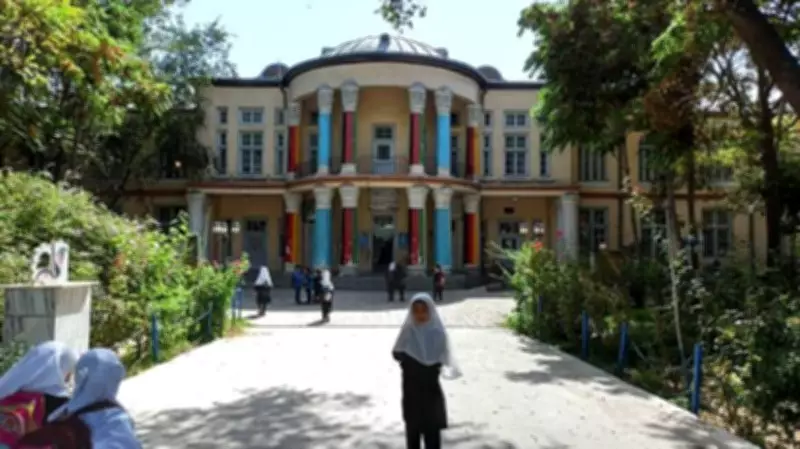
Since the Taliban's return to power in Afghanistan in August 2021, the situation for female academics has drastically changed. Many women who once held positions as professors, researchers, and university administrators have been forced to leave their jobs, often replaced by male counterparts. The Taliban's strict interpretation of Islamic law has led to a near-total ban on women working in educational institutions, except for a few limited roles in primary education.
Immediate Impact on Female Academics
In the weeks following the takeover, the Taliban issued decrees barring women from attending universities and schools. Female academics were told not to report to work, effectively ending their careers. Many universities also closed for extended periods, and when they reopened, women were largely absent from the teaching staff. Reports indicate that some female academics have attempted to continue their work from home or through online platforms, but these efforts have been hindered by internet restrictions and lack of resources.
Loss of Livelihood and Identity
For many female academics, the loss of their jobs has been devastating not only financially but also personally. Their professional identities, built over years of study and teaching, have been stripped away. Some have been forced to rely on family support or international aid, while others have fled the country. Those who remain often live in fear, with reports of harassment and intimidation by Taliban members.

International Response and Future Outlook
The international community has condemned the Taliban's actions, with many countries imposing sanctions and cutting aid. However, the Taliban has shown little sign of reversing its policies. Some female academics have found opportunities abroad through exile and resettlement programs, but the future for those remaining in Afghanistan remains bleak. Without access to education and employment, a generation of women is being denied the chance to contribute to their country's development.
In conclusion, the fate of Afghanistan's female academics is a stark reminder of the ongoing human rights crisis under the Taliban. The international community continues to advocate for their rights, but meaningful change has yet to materialize.






