

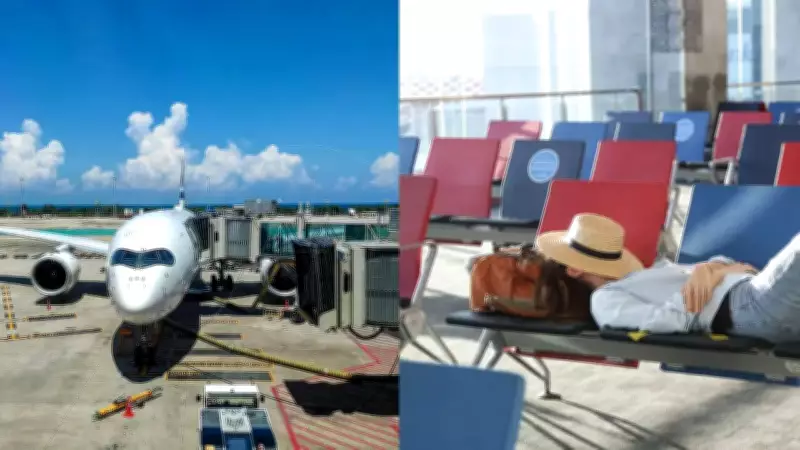
On April 27, 2026, the Australian aviation network was pushed to its breaking point as a wave of logistical failures swept across major hubs, causing massive disruptions that led to over 300 delays and more than 34 cancellations. Sydney, Melbourne, and Auckland airports were hit hardest, leaving thousands of business travelers, digital nomads, and tourists stranded.
What really happened?
With thirty-four flights canceled and another two hundred seventy-two delayed, the fragility of modern airline scheduling became evident. When one issue arises, it triggers a cascade of problems. The crisis was most severe at Sydney Airport, Melbourne Airport, and Auckland Airport. Departure areas turned into chaotic scenes as passengers waited in customer service lines for up to five hours. The disruption peaked during morning and evening hours, with security lines extending into check-in areas. Exhausted travelers resorted to sleeping in lounges while awaiting updates on their flights.
The affected flights were expected to accommodate approximately 240 passengers each, sparing them from long road or rail journeys to reach international departure points.

Why the failure?
Major airlines including Qantas, Virgin Australia, and Air New Zealand were all caught in the disruption. The chaos was not limited to a single gate failure but represented a total network fracture. Since planes are scheduled to fly eight to ten segments per day with minimal downtime, a single morning delay creates a domino effect. By midday, rotations were in freefall as crews reached their legal duty-time limits and aircraft were left out of position.
How soon will it recover?
Airlines cannot easily summon spare planes or crews, especially as the industry continues to grapple with post-pandemic staffing pressures and fully booked maintenance slots. For passengers caught in this event, the result was a desperate scramble for overnight accommodation and a wait of 12 to 24 hours for the next available seat. Three main factors converged to create this perfect storm: simultaneous bad weather across Australia and New Zealand slowed air traffic control arrival rates, ongoing staffing shortages in ground operations hindered a quick response, and ultra-tight scheduling margins prioritizing efficiency over resilience left the system without the buffer needed to absorb the shock.
How to find a way
For professionals and remote workers, this event serves as a sharp warning. In a world of recovery fragility, a single missed flight can derail visa deadlines and client commitments. Experts suggest that the only real defense is building 24-hour buffers into travel plans and maintaining flexible accommodation bookings. In an era where airlines maximize every minute of an aircraft's day, travelers must provide their own safety net.






