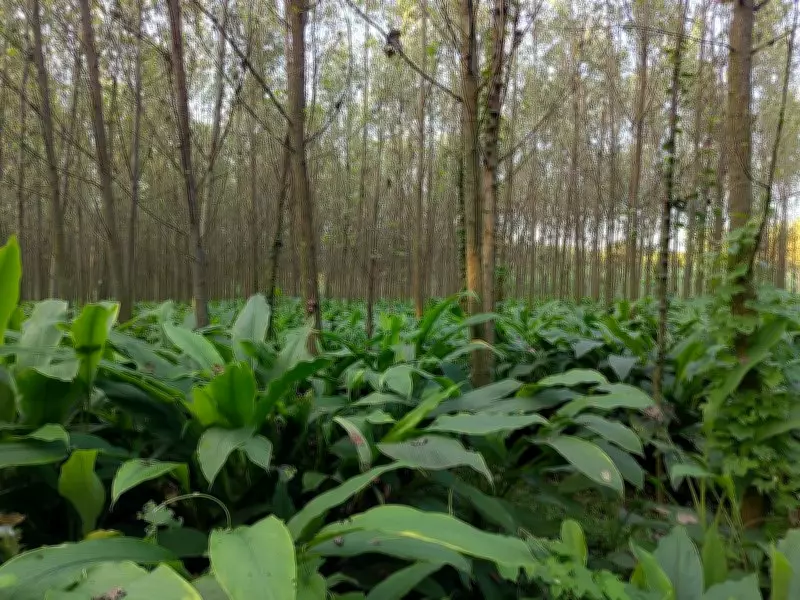
Due to frequent pest infestations in cotton crop and erratic weather conditions, a majority of farmers in Mahendragarh and nearby districts have switched to bajra (pearl millet) in recent years.
Sharp Decline in Cotton Area
The area under cotton cultivation has reduced drastically in Haryana, particularly in the southern part of the state. According to official data, cotton cultivation across Haryana has fallen to a record seven-year low, with total area dropping by up to 70 percent to 2.82 lakh hectares this year.
Pink Bollworm a Major Threat
Agricultural experts point out that the pink bollworm, a deadly pest that attacks and destroys cotton crops, has broken the genetic resistance of Bt-cotton. It has destroyed crops year after year, turning cotton farming into a loss-making proposition.

High requirement of costly pesticides to combat pest attacks, coupled with erratic weather including untimely and excessive rain, often leads to dismal yields and massive financial losses. The sensitive nature of cotton and high nutrient requirements also make it risky.
Shift to Bajra and Guar
Most farmers who used to grow cotton have now switched to other crops. Those with access to ample water are turning to paddy, while those in dry, water-starved regions of South Haryana are opting for bajra and guar cultivation. In districts like Mahendragarh, Jhajjar, Bhiwani, and Charkhi Dadri, this shift is highly visible.
Dr Satvir Chauhan, Subject-Matter Specialist at the Department of Agriculture and Farmers’ Welfare in Mahendragarh, said, “The local farmers are shifting toward bajra as the soil of South Haryana is more suitable for bajra, unlike Sirsa and Fatehabad districts where soil favors cotton.” He added that low-cost cultivation, good MSP, and coverage under the Bhavantar Bharpai Yojana make bajra a safe bet.
Government support for millets has strengthened bajra growers. Bajra is a highly drought-tolerant crop requiring low investment. It thrives in sandy soil, low rainfall, and high summer temperatures typical of South Haryana.
Government Initiatives
The government promotes high-yielding bajra seeds that withstand heat and resist diseases. Schemes like the Atal Bhujal Yojana promote micro-irrigation tools such as sprinklers and drip systems, saving groundwater while maintaining yields during dry spells.
To turn bajra into a cash crop, the Haryana Government offers a 7 percent interest subsidy on bank loans for businesses setting up bajra processing units. This helps small businesses create packaged foods like bajra flour, biscuits, and snacks. Financial support is also given to promote regional millets and connect farmers to large food chains to tap global demand for healthy foods.
As a result, while cotton area declines, land under bajra cultivation is increasing steadily.