

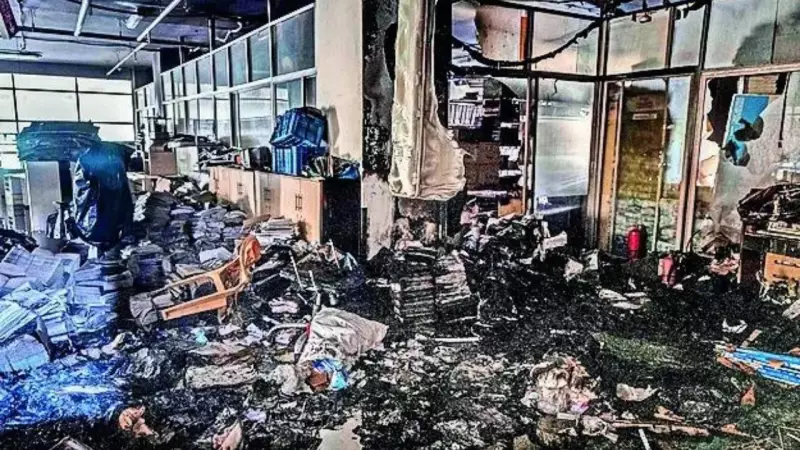
A climate of fear has enveloped Bangladesh's media landscape as journalists report escalating death threats, systematic surveillance, and intimidation in the lead-up to the country's crucial national elections scheduled for February 2026. This crisis intensified dramatically following a violent mob attack on December 19, which targeted the offices of two of the nation's leading newspapers, Prothom Alo and The Daily Star.
Night of Terror: Media Offices Set Ablaze
The immediate trigger for the physical assault was protests over the death of student leader Sharif Osman Hadi. However, the demonstrations quickly spiralled into a broad and vicious attack on the free press. Mobs ransacked the offices, looted computers and equipment, and ultimately set the buildings on fire.
More than two dozen media personnel were trapped inside the burning buildings. Staff from both publications described a harrowing escape to the rooftops as smoke from the arson filled the structures. With weak phone signals, help took hours to arrive, leaving those inside in mortal fear. "We weren't sure we would survive that night," revealed a senior journalist at The Daily Star, speaking from Dhaka. A total of 28 people, mostly journalists and staff, were eventually rescued by firefighters and army personnel.

While no journalists were killed, press freedom organisations later stated the mob appeared intent on burning them alive, with some attackers actively blocking emergency responders. In The Daily Star's newsroom, editors had mere minutes to evacuate. "We could hear them breaking things downstairs. We left without shutting down our systems. We didn't look back," recounted one editor.
The Silent, Insidious Aftermath: Surveillance and Threats
What followed the overt violence has been quieter but equally menacing. Reporters from both national and international publications now describe being tracked online, receiving anonymous warnings, and facing in-person surveillance. Some have abandoned social media platforms entirely to avoid being monitored.
"They watch our posts to see whose side we're on," explained a journalist based in Sylhet. "Especially if you're a minority or write with any liberal perspective, you're marked. These next two months will be dangerous." This atmosphere has forced many reporters to continue filing stories but without signing their bylines, operating from makeshift setups after their newsrooms were torched.
Despite condemnation from Chief Advisor Muhammed Yunus, who promised to ensure media safety, journalists on the ground feel these assurances are detached from reality. No arrests have been made, and no formal investigation has identified those responsible. A reporter at Prothom Alo starkly summarized the sentiment: "It wasn't just vandalism. It was theatre. And the state was part of the audience."
A Regional Pattern of Intimidation
This crackdown is not isolated to Bangladesh. A concerning regional trend is emerging where media houses are becoming targets. In Nepal, during anti-government demonstrations in September, protesters vandalised and set fire to the headquarters of the Kantipur Media Group.
A senior editor there identified a clear pattern: "It starts with undermining reporters, then moves to surveillance, and finally turns violent. This is not isolated. This is coordinated tolerance for impunity." International rights groups, including Human Rights Watch and Access Now, have condemned the Bangladesh attacks, warning they signal a deeper erosion of civic space and criticising the state's failure to act against rising hate speech and online harassment of journalists.
As Bangladesh moves closer to its 2026 electoral milestone, the journalists who are meant to cover the process are working under immense duress. "We do this job knowing there are costs," said a Daily Star journalist. "But we were never meant to do it without protection — not from the state, not from the law, not even from the public." The safety of the press remains a critical bellwether for the health of the nation's democracy.






