

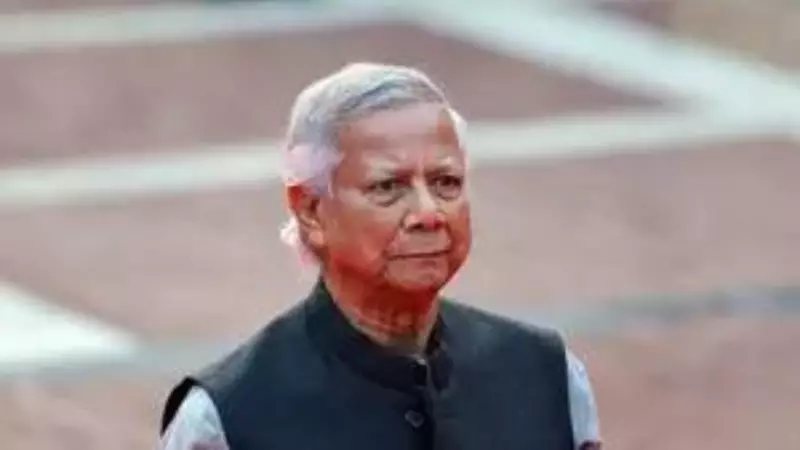
The political party of slain Bangladeshi radical leader Sharif Osman Hadi has formally and vehemently rejected the chargesheet filed by Dhaka police in his murder case. The party, Inquilab Moncho, has accused the interim government led by Muhammad Yunus of involvement in the killing, echoing allegations made by Hadi's brother last month.
Chargesheet and Allegations of a Cover-Up
On Tuesday, Abdullah al Jaber, the member secretary of Inquilab Moncho, launched a scathing attack on the police investigation. The chargesheet names 17 individuals, most of whom are reported to be members of the Awami League. Jaber dismissed the document with contempt, stating that "Even a lunatic would not believe this." He asserted that Osman was killed as an act of "political vengeance" orchestrated at the behest of former Awami League-nominated ward councillor Taizul Islam Chowdhury Bappi.
However, the party's accusations extend far beyond a local councillor. Jaber clarified that Inquilab Moncho does not believe the murder was carried out merely on Bappi's instructions. The party suspects a much larger conspiracy.

Claims of State Machinery Involvement
In a serious escalation of rhetoric, Jaber claimed that the entire "state machinery" was involved in the assassination of their leader. This directly implicates the current interim administration in Dhaka. By rejecting the chargesheet, the party has signaled a complete lack of faith in the official judicial process and has positioned the murder as a politically motivated act sanctioned by higher authorities.
The party's stance reinforces the charge made by Hadi's brother, Omar, in the previous month, where he pointed fingers at the Yunus-led caretaker government. This creates a unified front of accusation from the victim's family and his political organization.
Warnings and Future Consequences
Jaber concluded his remarks with a stark warning. He stated that if justice for Hadi's murder is not ensured and what he termed "Indian hegemony" is not ended, the people of Bangladesh would decide the consequences. This statement ties the domestic political assassination to broader geopolitical sentiments, potentially rallying support around nationalist and anti-India narratives.
The rejection of the chargesheet sets the stage for further political turmoil and raises significant questions about the rule of law and political violence in Bangladesh. It ensures that the murder of Sharif Osman Hadi will remain a contentious and explosive issue, challenging the interim government's authority and credibility.






