

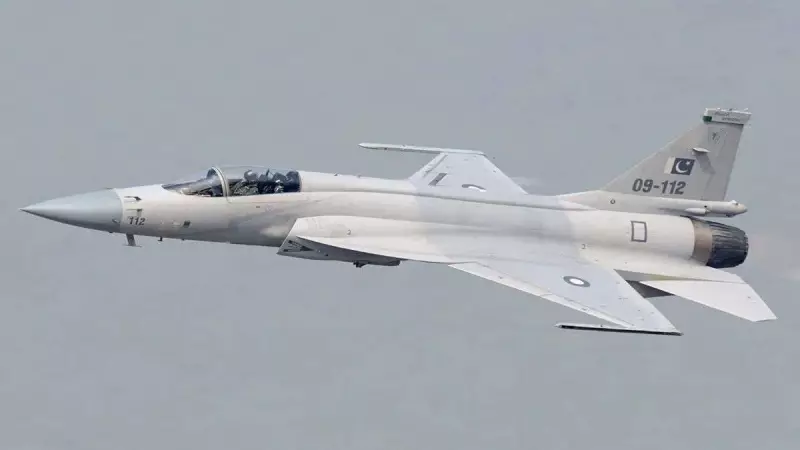
In a significant development for South Asian defence dynamics, Pakistan has publicly stated that Bangladesh has shown a potential interest in procuring the JF-17 Thunder fighter aircraft. The revelation, made by Pakistan's Foreign Office spokesperson on January 7, 2026, hints at a possible new chapter in defence cooperation between the two nations.
Pakistan's Official Confirmation
During a weekly media briefing in Islamabad, the spokesperson for Pakistan's Ministry of Foreign Affairs addressed the growing speculation. Mumtaz Zahra Baloch confirmed that discussions regarding the JF-17, a multi-role combat aircraft jointly developed by Pakistan and China, have indeed taken place. She emphasized that such defence collaborations are a routine aspect of international relations and expressed Pakistan's openness to engaging with all countries, including Bangladesh, in this sphere.
The spokesperson's comments came in direct response to queries about Bangladesh's interest in the fighter jet program. While not detailing the stage of negotiations, the confirmation itself marks a pivotal moment, shifting the topic from rumour to acknowledged diplomatic discourse.

The JF-17 Thunder: A Contender for Modern Air Forces
The aircraft at the centre of this potential deal is the JF-17 Thunder, also known as the FC-1 Xiaolong. It is a single-engine, lightweight multi-role fighter developed jointly by the Pakistan Aeronautical Complex (PAC) and China's Chengdu Aircraft Corporation. Known for its cost-effectiveness and modern capabilities, the JF-17 forms the backbone of the Pakistan Air Force and has been exported to several other nations.
Key features that make the JF-17 an attractive option for many air forces include:
- Beyond-visual-range combat capability.
- Advanced avionics and radar systems.
- Compatibility with a wide array of modern precision-guided munitions.
- Lower acquisition and operational costs compared to Western counterparts.
Implications for Regional Defence Ties
Should this potential interest materialize into a concrete deal, it would represent a major shift in the regional defence procurement landscape. Bangladesh has traditionally sourced its military hardware from a diverse set of suppliers including China, Russia, and European nations. The procurement of a major platform like fighter jets from Pakistan would significantly deepen bilateral defence ties.
Analysts suggest that such a move could be viewed through the lens of Bangladesh's ongoing efforts to modernize its armed forces and diversify its sources of defence equipment. For Pakistan, a successful sale would be a diplomatic and economic victory, showcasing the JF-17 as a competitive product in the global arms market and strengthening its strategic footprint.
The development is being closely monitored by regional observers, as it touches upon the complex geopolitical equations in South Asia. The response from other major powers with vested interests in the region's defence affairs remains to be seen.
As of now, the statement from Pakistan's Foreign Office stands as the primary official acknowledgment. The next steps would involve more detailed technical evaluations, financing discussions, and formal negotiations between the relevant defence authorities of Bangladesh and Pakistan.






