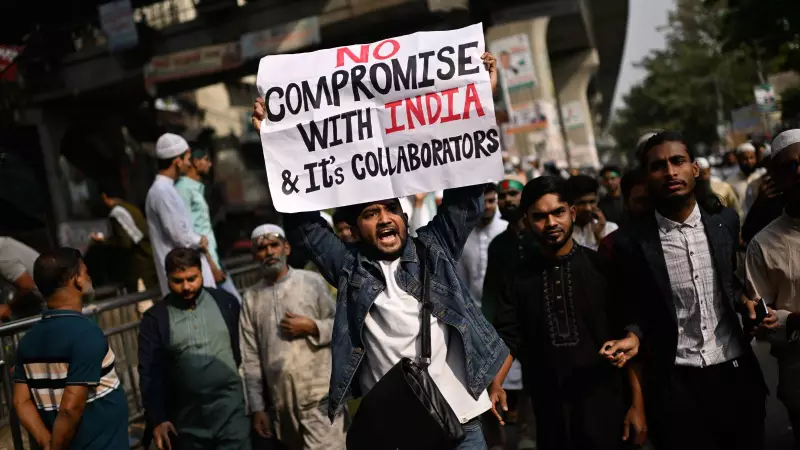
In a significant political realignment ahead of the February 12 general elections, Bangladesh's student-led National Citizen Party (NCP) has entered into an alliance with the Islamist group Jamaat-e-Islami. This development occurs against the backdrop of the acting chairman of the Bangladesh Nationalist Party (BNP), Tarique Rahman, filing his nomination papers, marking a potential return to electoral politics.
A Strategic but Controversial Alliance
The NCP, formed in February 2025 by youth leaders central to the 2024 July Revolution that ousted former Prime Minister Sheikh Hasina, initially positioned itself as a pro-democratic force. Its aim was to break the long-standing dominance of the Awami League (AL) and the BNP. However, its electoral prospects appeared dim, with a December opinion poll by a US-based think tank showing the NCP at a distant third with only 6% support. In contrast, the BNP held 30% and Jamaat-e-Islami 26%.
The alliance has triggered internal dissent and public resignations. Several high-ranking NCP leaders opposed the move, with notable figures like Dr. Tasnim Jara quitting to contest independently. Mahfuz Alam, a key leader of the 2024 uprising, publicly distanced himself from the party.

Expert Labels Tie-Up 'Opportunistic'
The partnership has drawn sharp criticism, given Jamaat-e-Islami's controversial history, including its opposition to Bangladesh's independence in 1971 and allegations of war crimes. The party had been barred from contesting elections since 2013 until the interim government lifted restrictions in August 2024.
Dr. Sanjay K Bhardwaj, a professor at Jawaharlal Nehru University's School of International Studies, characterized the alliance as "more opportunistic than ideological." He explained that while the student movement arose from grievances over unemployment and authoritarianism, it inadvertently allowed dormant forces like Islamist groups to re-emerge.
"Ideologically, the NCP and Jamaat are fundamentally different. Jamaat positions itself as a custodian of Islamic principles, while the NCP frames itself as a democratic, anti-corruption force. Their alliance is not ideological but opportunistic, driven by a shared political objective: countering BNP’s electoral dominance," Bhardwaj stated.
Broader Political Landscape and Regional Implications
The political scene in Bangladesh has undergone dramatic changes. The Awami League, the former ruling party, was banned in May 2025. Sheikh Hasina, who has been in India since her ouster, was sentenced to death in November by the International Crimes Tribunal. The interim government has sought her extradition from India, which has not formally responded.
The return of Tarique Rahman from a 17-year exile and his nomination filing signals a potential BNP comeback. Commenting on the regional dynamics, expert Bhardwaj noted that "no government in Bangladesh can afford to ignore India" due to deep economic and security ties. He suggested that even a BNP government would maintain relations with New Delhi, though China's influence might grow, while Pakistan's role would remain limited.
This pre-election maneuvering sets the stage for a highly contested poll, with new alliances testing the ideological foundations of Bangladesh's recent political movements.