

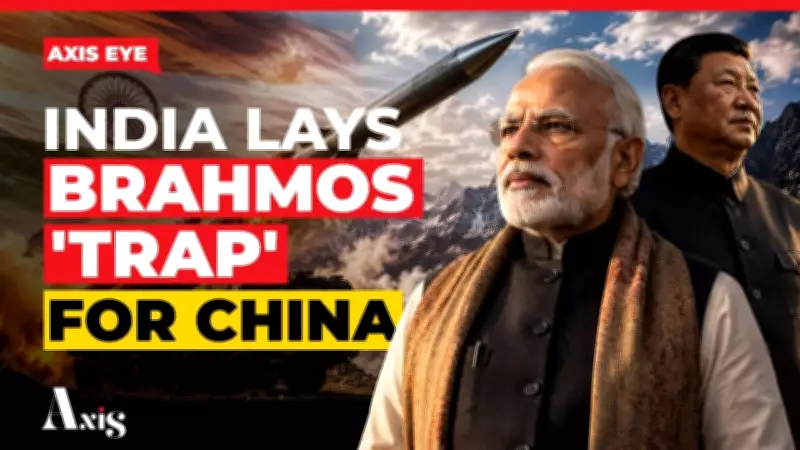
India and Vietnam have upgraded their defence ties, but the real buzz is around the BrahMos supersonic cruise missile. India has hinted that Hanoi is exploring a deal for this advanced weapon system, a move that could significantly alter the balance of power in the South China Sea.
Why Vietnam Wants BrahMos
As China expands its military footprint across disputed waters, Vietnam is looking for stronger deterrence capabilities. The BrahMos missile, known for its speed and precision, offers Vietnam a potent tool to counter Chinese naval assets. With a range of up to 290 kilometers and the ability to fly at Mach 2.8, it poses a serious threat to surface ships, making it a game-changer in regional maritime security.
Strategic Gains for India
For India, the deal is not just about arms export. It strengthens strategic ties with a key Southeast Asian partner and sends a clear message to Beijing. By arming Vietnam with BrahMos, India deepens its footprint in the South China Sea, where it has significant economic and strategic interests. This aligns with India's Act East policy and its goal of countering China's growing influence in the region.

China's Concerns
Beijing views the potential BrahMos deal as a direct challenge to its maritime ambitions. The missile could complicate China's operations in the South China Sea, where it claims sovereignty over vast areas. Analysts suggest that China may respond with increased naval patrols or diplomatic pressure on Vietnam. However, Vietnam's determination to modernize its military suggests it is willing to risk Chinese ire to secure its sovereignty.
Larger India-China Rivalry
The BrahMos deal fits into the broader India-China rivalry, which extends from the Himalayan border to the Indian Ocean. India has been strengthening its own military capabilities and forging alliances with countries like Vietnam, Japan, and Australia to counter China's assertiveness. The missile deal is a tangible outcome of this strategy, signaling that India is willing to support partners in disputed regions.
In conclusion, Vietnam's interest in BrahMos represents a significant shift in regional dynamics. If finalized, the deal could give Hanoi a credible deterrent against Chinese aggression, while bolstering India's role as a security provider in the Indo-Pacific. Beijing, already wary of India's growing influence, will likely see this as a major challenge in its maritime backyard.






