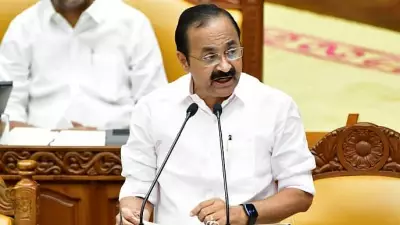
Brazil's mines and energy minister, Alexandre Silveira, confirmed that the government will not mandate local processing of critical minerals such as lithium and rare earths. This decision is part of a strategy to attract foreign investment and boost the country's mining sector.
Government's Stance on Mineral Processing
Speaking at a press conference, Silveira emphasized that while Brazil aims to add value to its mineral production, it will not impose compulsory local processing requirements. 'We want to create an attractive environment for investors, but we will not force companies to process minerals locally,' he stated.
Focus on Attracting Investment
The minister highlighted that the government is working on policies to streamline regulations and provide tax incentives for mining projects. Brazil holds significant reserves of critical minerals essential for clean energy technologies, including lithium for batteries and rare earths for electronics.

Silveira noted that global demand for these minerals is rising rapidly, and Brazil seeks to become a major supplier. By avoiding mandatory local processing, the government hopes to accelerate project development and reduce barriers for foreign companies.
Balancing National Interests
Critics argue that without local processing, Brazil may miss opportunities for industrial development and job creation. However, the minister countered that forcing processing could deter investment and slow down the mining sector's growth. 'We can achieve value addition through voluntary partnerships and incentives rather than mandates,' he explained.
The announcement comes as Brazil updates its mining code to modernize the sector. The government is also exploring bilateral agreements with countries like the United States and European Union members to secure supply chains for critical minerals.
Silveira concluded that Brazil's approach is pragmatic and aims to balance economic growth with environmental and social responsibilities. The mining sector is expected to contribute significantly to the country's post-pandemic recovery.