

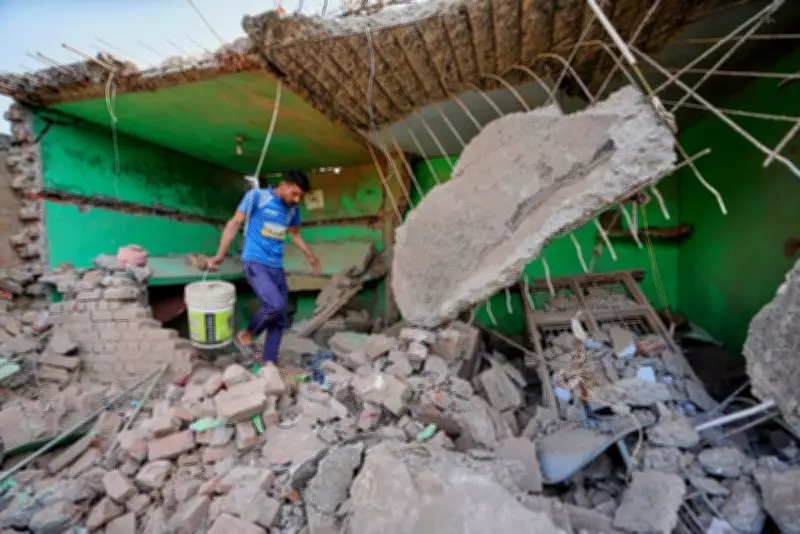
A year after intense shelling along the border in Jammu and Kashmir, relative calm has returned to the region. However, the memories of the conflict and the underlying tension continue to affect the lives of residents, leaving a lingering unease that has not fully dissipated.
The Return of Calm
In recent months, the number of ceasefire violations has significantly decreased, bringing a sense of normalcy back to border villages. Farmers have returned to their fields, children are attending school regularly, and daily life has resumed its rhythm. The absence of shelling has allowed families to sleep peacefully at night, a luxury they were deprived of during the peak of the conflict.
Local authorities have also taken steps to rebuild infrastructure damaged during the shelling. Roads, schools, and homes are being repaired, and compensation has been provided to affected families. These efforts have helped in restoring a semblance of normalcy.

Lingering Unease
Despite the visible calm, a sense of unease remains among the border residents. Many recall the horror of the shelling, which claimed lives and destroyed property. The psychological scars are deep, and the fear of a sudden escalation is ever-present.
Residents often speak of the uncertainty that accompanies life near the border. The calm could be shattered at any moment, and this constant state of alertness takes a toll on mental health. Children, in particular, have been affected, with many showing signs of anxiety and trauma.
Government and Community Response
The government has initiated several programs to address the psychological impact of the shelling. Counseling sessions and community support groups have been set up to help residents cope with their experiences. Additionally, the administration is working on long-term measures to enhance security and provide better facilities for border villages.
Community leaders have also played a crucial role in fostering resilience. They organize regular meetings to discuss concerns and coordinate with authorities. The collective spirit of the villagers has been a source of strength, helping them navigate through the aftermath of the conflict.
Looking Ahead
While the immediate threat has subsided, the underlying issues remain unresolved. The need for a lasting peace is paramount, not just for the sake of the border residents but for the entire region. Diplomatic efforts continue, but the trust deficit between the two sides poses a significant challenge.
For now, the people of the border areas are cautiously optimistic. They hope that the calm will hold and that their children can grow up without the fear of shelling. However, the lingering unease serves as a reminder that true peace is still a distant dream.






