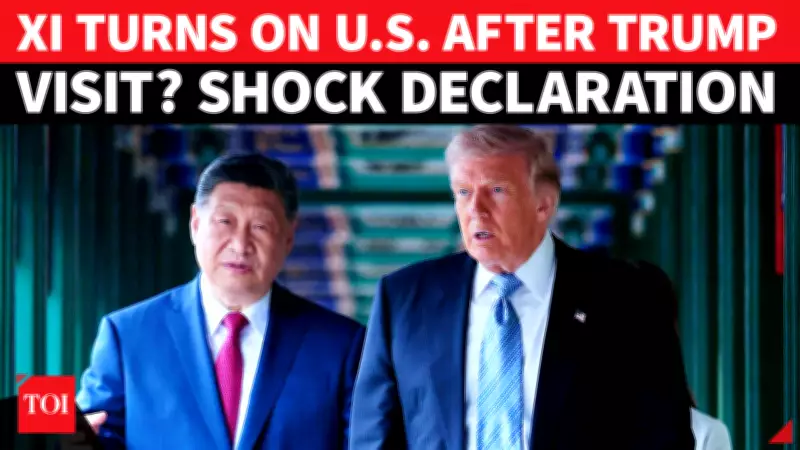
A dramatic new report is raising major questions about the growing alignment between China and Iran in the escalating Strait of Hormuz crisis. According to sources close to Iranian Parliament Speaker Mohammad Bagher Ghalibaf, Beijing has reportedly informed the United States that it recognizes Iran’s sovereignty and control over the strategically critical waterway.
Contradicting White House Claims
The claim sharply contradicts the White House version of the recent summit between U.S. President Donald Trump and Chinese President Xi Jinping, where Washington claimed Xi opposed Iranian militarization of the Strait and rejected any tolls or restrictions on shipping. The report suggests that China may be taking a more supportive stance toward Iran than previously understood.
Implications for Regional Stability
If confirmed, this development could significantly alter the dynamics of the ongoing crisis in the Strait of Hormuz, through which about 20% of the world's oil passes. China's recognition of Iranian sovereignty could embolden Tehran to impose restrictions on shipping, potentially disrupting global energy supplies and escalating tensions with the United States and its allies.

The report comes just after President Trump concluded his visit to Beijing, during which he and Xi discussed a range of issues including trade and regional security. The White House had portrayed the summit as a success, with Xi agreeing to pressure Iran to keep the Strait open. However, this new information suggests that Beijing's position may be more nuanced.
Analysts are closely watching for official responses from both Beijing and Washington. The Chinese Foreign Ministry has not yet commented on the report. Meanwhile, the U.S. State Department reiterated its commitment to freedom of navigation in international waters and called on all nations to uphold maritime law.
This development adds another layer of complexity to an already volatile situation in the Middle East, where Iran has threatened to close the Strait of Hormuz in response to U.S. sanctions and military pressure. China, as the world's largest oil importer, has a vital interest in maintaining stable energy flows from the region.