

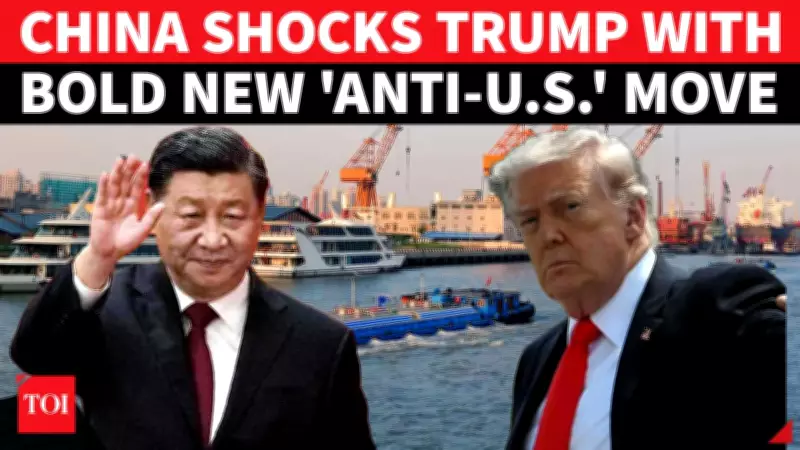
Beijing is fighting back against US sanctions on Iranian oil trade. The Chinese Ministry of Commerce has issued a major blocking order, making it illegal for any company or bank in China to comply with US sanctions on five massive petrochemical firms. By shielding these companies—which are vital to refining Iranian crude—China is effectively telling Washington that its energy security is off-limits.
China's Strategic Move
This directive represents a significant escalation in the ongoing economic confrontation between the world's two largest economies. The order explicitly prohibits Chinese entities from adhering to extraterritorial sanctions imposed by the United States, creating a legal firewall around the targeted firms. These companies are crucial nodes in the supply chain for Iranian crude oil processing, and their protection ensures continued access to discounted Iranian petroleum for China's industrial sector.
Implications for Global Energy Markets
With the digital yuan and the Cross-Border Interbank Payment System (CIPS) waiting in the wings, this move marks a massive step in the de-dollarization of the global energy market. By circumventing the dollar-based financial system, China aims to reduce its vulnerability to US financial leverage. The blocking order could encourage other nations to adopt similar measures, potentially fragmenting the global sanctions regime.

The timing of this announcement is critical, coming shortly after the US imposed fresh sanctions on Iranian oil exports. China, as the world's largest crude importer and a key buyer of Iranian oil, has consistently opposed unilateral US sanctions. This latest action demonstrates Beijing's willingness to use its economic and regulatory power to protect its energy interests.
Analysts suggest that this could lead to increased tensions in the Strait of Hormuz and further volatility in oil prices. The move also signals China's readiness to challenge US dominance in global finance, leveraging its own digital currency and payment infrastructure to facilitate trade outside the dollar system.






