China's Expanding Surveillance State and Crackdowns Draw Global Scrutiny
China's expanding surveillance state and crackdowns on dissent are drawing intense global scrutiny, raising significant concerns about human rights and privacy. The international community is closely monitoring these developments, which have sparked widespread debate and criticism.
Surveillance Infrastructure Growth
The surveillance infrastructure in China has seen rapid expansion in recent years. This includes the deployment of advanced technologies such as facial recognition systems, social credit scoring, and extensive data collection networks. These measures are often justified by the government as necessary for maintaining social stability and national security.
Key aspects of the surveillance state include:- Widespread use of facial recognition technology in public spaces
- Implementation of social credit systems to monitor citizen behavior
- Extensive data collection through digital platforms and internet monitoring
- Integration of surveillance tools with law enforcement agencies
Crackdowns on Dissent and Human Rights Concerns
Parallel to the surveillance expansion, China has intensified crackdowns on dissent and political opposition. These actions target various groups, including activists, journalists, and minority communities, leading to allegations of human rights abuses.

- Suppression of free speech and press freedom through censorship and arrests
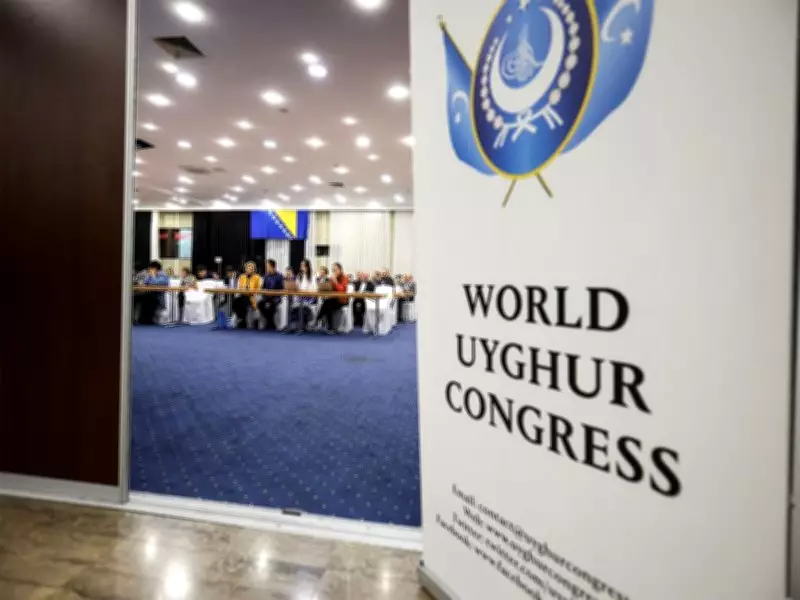
- Restrictions on religious and ethnic minorities, particularly in regions like Xinjiang
- Use of legal frameworks to justify detentions and prosecutions of dissidents
- Impact on civil society organizations and non-governmental groups
Global Scrutiny and International Response
The global community has responded with increased scrutiny and criticism of China's policies. International organizations, foreign governments, and human rights advocates have raised alarms about the implications for global norms and individual freedoms.
This scrutiny is reflected in diplomatic statements, reports from bodies like the United Nations, and public debates in media outlets worldwide. The situation has also influenced international relations, with some countries imposing sanctions or expressing concerns in bilateral talks.
As China continues to expand its surveillance capabilities and enforce crackdowns, the global scrutiny is expected to persist, shaping discussions on technology, governance, and human rights in the 21st century.