

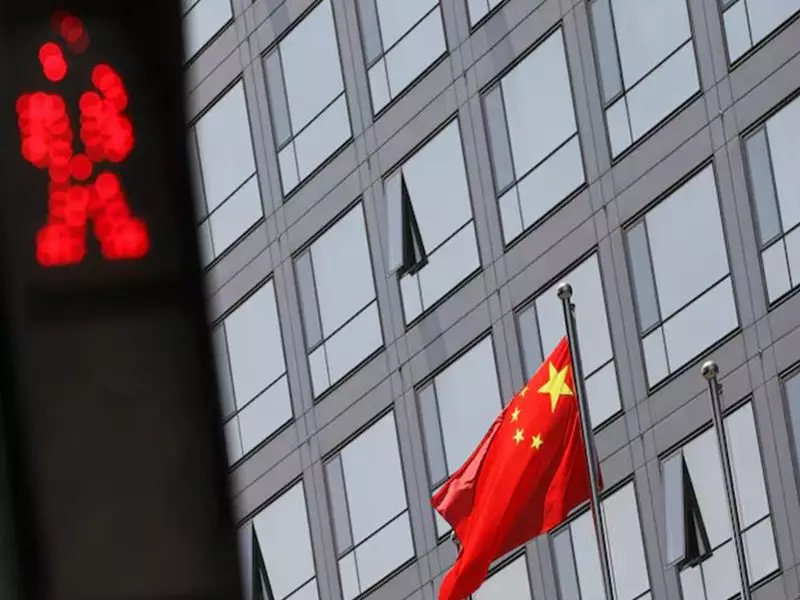
China has recently introduced a new tourism contract specifically for travel to Taiwan, a move that has sparked significant controversy and debate. While the contract is presented as a step towards facilitating tourism, critics argue that it serves primarily as a political lever rather than a genuine effort to normalize travel between the two regions. This development comes amid ongoing tensions in cross-strait relations, with China asserting its sovereignty over Taiwan, which it considers a breakaway province.
Understanding the New Tourism Contract
The new contract outlines specific terms and conditions for tour operators and travelers visiting Taiwan from China. It includes clauses that emphasize adherence to Chinese policies and regulations, which many observers interpret as a way to exert control over tourism activities. Proponents of the contract claim it aims to streamline travel processes and ensure safety, but opponents view it as a mechanism to impose political influence on Taiwan through economic and social channels.
Political Implications and Criticisms
Experts and analysts have branded the contract as a political tool designed to leverage tourism for strategic gains. They argue that by tying tourism to political compliance, China is using it as a means to pressure Taiwan and undermine its autonomy. This approach contrasts with the idea of normal tourism, which typically focuses on cultural exchange and economic benefits without overt political strings attached. The contract has raised concerns about the potential for increased interference in Taiwan's affairs, further complicating the delicate balance in the region.

Impact on Cross-Strait Relations
The introduction of this contract is likely to exacerbate existing tensions between China and Taiwan. It reflects China's broader strategy to integrate Taiwan more closely into its sphere of influence, using various economic and social tools. For Taiwan, this move is seen as another attempt to challenge its sovereignty and limit its international space. The situation highlights the ongoing struggle for control and recognition in the Taiwan Strait, with tourism becoming a new battleground in this geopolitical conflict.
Broader Context and Future Outlook
This development is part of a larger pattern of China's actions towards Taiwan, including military drills, diplomatic pressure, and economic incentives. The tourism contract adds a new dimension to these efforts, potentially affecting travel patterns and business operations. Looking ahead, the response from Taiwan and the international community will be crucial in shaping the outcome. If the contract is widely rejected or leads to backlash, it could further strain relations, whereas acceptance might signal a shift in the dynamics of cross-strait interactions.
In summary, China's new tourism contract for Taiwan is more than just a travel document; it is a strategic move with deep political undertones. As the situation unfolds, it will be important to monitor how this affects tourism flows, bilateral relations, and the broader geopolitical landscape in Asia.






