

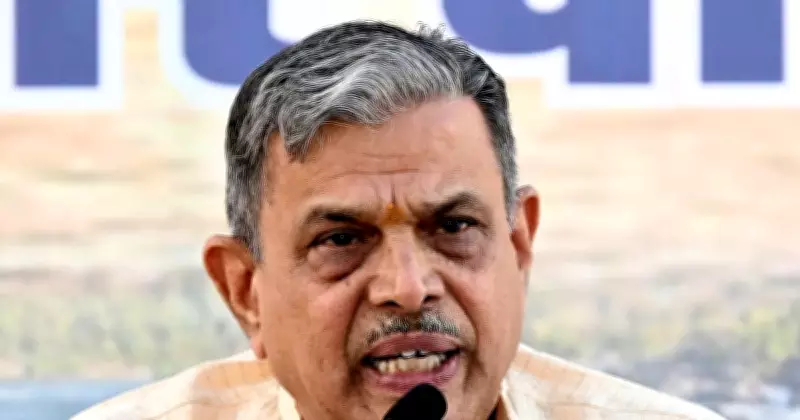
Rashtriya Swayamsevak Sangh (RSS) general secretary Dattatreya Hosabale has countered Western misconceptions about the organization, emphasizing its long-standing tradition of engaging with the world on civilisational issues. In recent interactions, Hosabale clarified that visits by RSS functionaries to Western countries have been taking place for decades, aimed at fostering dialogue and understanding.
Decades of Outreach
The RSS has consistently maintained that its outreach to the West is not a new phenomenon. For over several decades, senior leaders and representatives have traveled abroad to present the organization's perspective on cultural and social matters. Hosabale pointed out that these engagements are rooted in the RSS's commitment to civilisational discourse rather than political agendas.
Addressing Misconceptions
Hosabale specifically addressed common misunderstandings about the RSS, including its stance on nationalism, social harmony, and secularism. He stressed that the RSS promotes an inclusive vision of Indian culture that respects diversity. The organization's activities, he noted, are guided by the principles of service, character-building, and national unity.

Civilisational Engagement
The RSS general secretary emphasized that the primary goal of these international visits is to share India's civilisational ethos and learn from other cultures. This two-way exchange helps in correcting distorted narratives and building mutual respect. He cited examples of RSS representatives participating in academic conferences, cultural festivals, and interfaith dialogues abroad.
Global Relevance
Hosabale argued that the RSS's ideas have global relevance, especially in an era of rising identity politics and cultural clashes. By promoting dialogue based on shared human values, the RSS aims to contribute to global peace and understanding. He reiterated that the organization's vision is not limited to India but extends to fostering a harmonious world order.
Future Plans
Looking ahead, the RSS plans to intensify its outreach efforts, leveraging digital platforms and in-person events to connect with global audiences. Hosabale called for more scholarly research and media coverage to present an accurate picture of the RSS's work and philosophy. He expressed confidence that sustained engagement would gradually dispel lingering misconceptions.
In conclusion, Dattatreya Hosabale's remarks underscore the RSS's proactive approach to global engagement, countering Western misconceptions through dialogue, cultural exchange, and civilisational discourse. The organization remains committed to building bridges and promoting its vision of a united, harmonious society.






