

Snowless Winter Reshapes Himalayan Water and Regional Stability
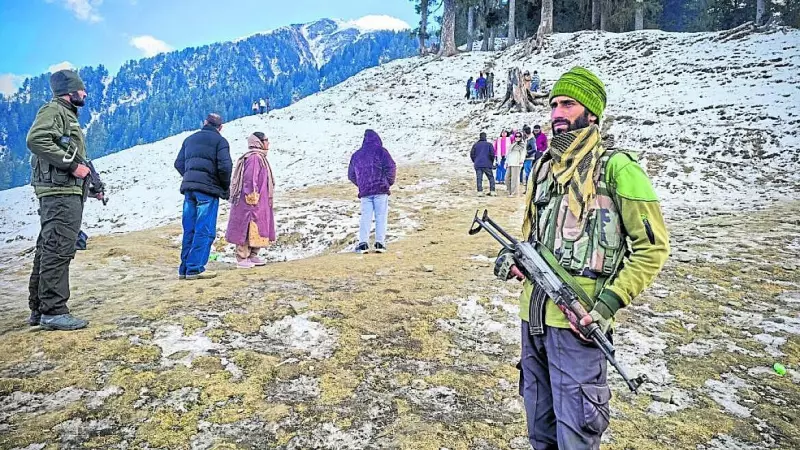
This winter has brought an unusual and concerning sight to the Kashmir Valley. Much of the valley floor remained largely snow-free well into mid-January. Night temperatures consistently stayed below -6° Celsius during this period. The absence of snow cover is reshaping water resources, local livelihoods, and geopolitical dynamics across the Himalayan region.
Unprecedented Winter Conditions in Kashmir
Residents and experts report a dramatic shift in typical winter patterns. Snowfall, which usually blankets the valley by December, has been conspicuously absent. This snow-free condition persisted deep into January despite freezing nighttime temperatures. The lack of snow accumulation is directly impacting water availability for the coming months.
Immediate Impacts on Water Resources
The dry winter is causing significant changes to the region's water cycle. Snowmelt from the Himalayas traditionally feeds rivers and streams throughout spring and summer. With reduced snowpack, water levels in these vital sources are expected to drop sharply. This situation threatens irrigation for agriculture and drinking water supplies for millions of people.

Economic Consequences for Local Communities
Livelihoods across the Himalayas are facing disruption. Farmers who depend on predictable snowmelt for crop cultivation are expressing deep concern. Tourism, another key economic driver, is suffering as ski resorts and winter destinations lack their usual snow cover. Local businesses that thrive during the winter season are reporting substantial losses.
Geopolitical Ramifications in the Region
The changing water landscape is influencing geopolitical stability. The Himalayas serve as a critical water source for multiple countries, including India, Pakistan, China, and Bangladesh. Reduced water availability could intensify existing tensions over resource sharing. Regional cooperation on water management is becoming increasingly urgent.
Long-Term Environmental Concerns
Scientists warn that this snowless winter may not be an isolated event. Climate change is altering precipitation patterns across the Himalayan region. Warmer temperatures are causing more winter precipitation to fall as rain rather than snow. This shift could permanently transform the region's hydrology and ecosystem.
Adaptation and Response Measures
Local governments and communities are beginning to implement adaptation strategies. Water conservation initiatives are gaining priority across affected areas. Alternative livelihood programs are being developed for those impacted by the changing winter conditions. International attention is focusing on sustainable water management in the Himalayas.
The snow-free winter in Kashmir serves as a stark reminder of environmental changes with far-reaching consequences. Water resources, economic stability, and geopolitical relations are all interconnected in this sensitive region. Immediate action and long-term planning will be essential to address these emerging challenges effectively.






