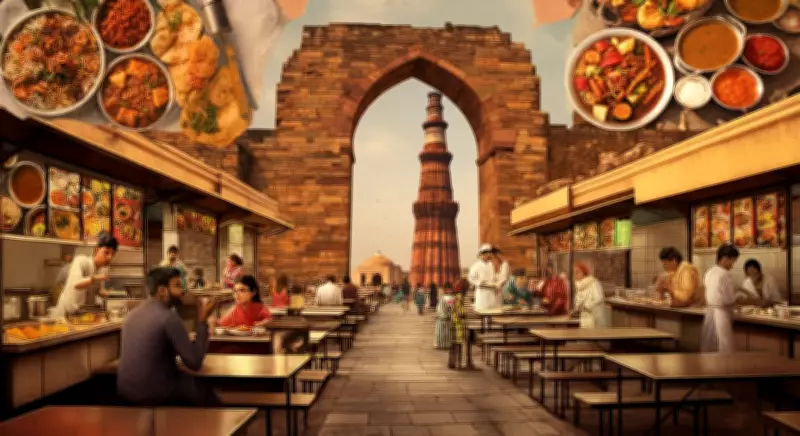
EaseMyTrip Foundation, the corporate social responsibility arm of the travel-tech platform EaseMyTrip, has partnered with the Archaeological Survey of India (ASI) to launch the Savee Cafeteria at the Qutub Minar complex in Delhi. This initiative is designed to improve the visitor experience at one of India's most frequented heritage monuments by providing clean, hygienic, and affordable food facilities.
Launch Event Highlights
The launch event was attended by Tourism Secretary Shri Bhuvnesh Kumar, Culture Secretary Shri Vivek Aggarwal, senior ASI officials, and representatives from the foundation. The collaboration underscores the growing efforts to strengthen India's heritage tourism infrastructure through public-private partnerships.
Growing Heritage Tourism in India
The initiative comes at a time when heritage and experiential tourism are witnessing rapid growth in the country. India recently recorded over 250 crore domestic tourist visits, and Qutub Minar alone attracts nearly three million visitors annually, making it one of the highest-footfall monuments in the country.

Ajay Verna, Chief Experience Officer of EaseMyTrip Foundation, noted that modern travelers increasingly prefer immersive and experience-driven journeys, making visitor comfort and infrastructure important components of tourism today. The foundation is also exploring heritage walks and integrated cultural experiences to improve engagement and promote sustainable tourism.
Adopt a Heritage Initiative
The foundation currently supports four heritage monuments under the 'Adopt a Heritage' initiative, including Agra Fort, Khajuraho, Sun Temple, and Qutub Minar. Commenting on the launch, Rikant Pittie, CEO and Co-Founder of EaseMyTrip, said, "Today's launch of Savee Cafeteria at Qutub Minar premise marks an important milestone in partnership with the Archaeological Survey of India to enhance visitor experiences at one of India's most iconic heritage landmarks." He added that such collaborations are important for strengthening India's tourism ecosystem while preserving cultural heritage for future generations.