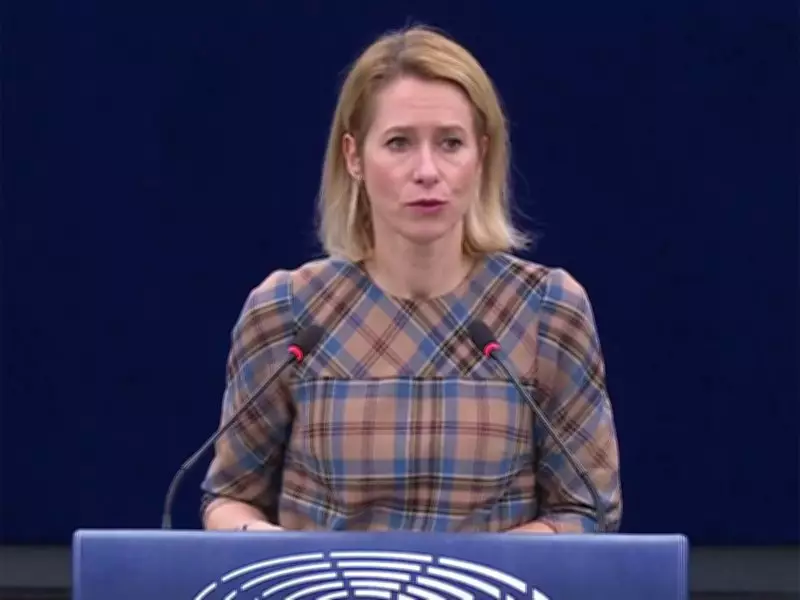
The European Union has proposed a comprehensive visa ban targeting former combatants of the Russian armed forces and their proxy groups as part of a sweeping new sanctions package aimed at intensifying pressure on Moscow over its ongoing war in Ukraine. The announcement was made by EU High Representative for Foreign Affairs and Security Policy Kaja Kallas through a series of posts on social media platform X.
Key Details of the Proposed Sanctions
Kallas stated that the visa restrictions are part of the EU's proposed 21st sanctions package against Russia, which she described as an effort to further weaken Moscow's ability to sustain its military campaign. The package includes more than 170 new listings, making it the largest set of sanctions proposals put forward by her office in over two years. These measures target Russia's financial sector, energy industry, and drone production network.
Financial Sector Measures
The proposed sanctions include asset freezes on nearly 90 banks and additional transaction bans on more than 30 banks in Russia and other countries. The EU also intends to tighten restrictions on cryptocurrency services and ban transactions involving 11 crypto platforms. Kallas emphasized that these actions are designed to deal a heavy blow to Russia's financial sector.

Energy and Drone Production
The package proposes a temporary freeze of the Russian oil price cap and new restrictions on the resale of liquefied natural gas tankers to Russia. Additionally, the measures expand sanctions against Russia's shadow fleet, with 30 more vessels facing restrictions. Ships that supply or refuel sanctioned vessels could themselves become subject to penalties. The package also includes transaction bans on two Russian ports and four airports.
Targeting Military-Industrial Complex
Kallas announced plans to target companies allegedly supporting Russia's military-industrial complex. The proposals include more than 30 designations linked to drone manufacturing and export-control measures affecting 50 companies located in several countries, including India, China, Turkiye, Kyrgyzstan, Kazakhstan, and the United Arab Emirates.
Additional Measures
The sanctions package also seeks to restrict exports of materials and technologies considered important to Russia's industrial production, such as nickel powders, metals, and high-performance alloys. New import restrictions on selected car parts, precious-metal ores, and chemicals have also been proposed.
Context and Next Steps
The latest measures come in addition to 81 listings expected to be adopted by the EU Foreign Affairs Council next week, targeting Russia's shadow fleet, military-industrial complex, human rights violators, and propagandists. The sanctions proposals will now be considered by EU member states before any final decision on their adoption.