

US-Linked NGOs Accused of Fuelling Bangladesh Political Crisis
Former cabinet minister Mohibul Hasan Chowdhury, who served as a chief negotiator during Bangladesh's political turmoil, has made explosive allegations that the 2024 riots which led to Prime Minister Sheikh Hasina's ouster received support from American organizations. In a revealing interview with RT, Chowdhury specifically named USAID and the International Republican Institute as entities that had been targeting Hasina's government since 2018.
The Fall of Sheikh Hasina and Human Rights Allegations
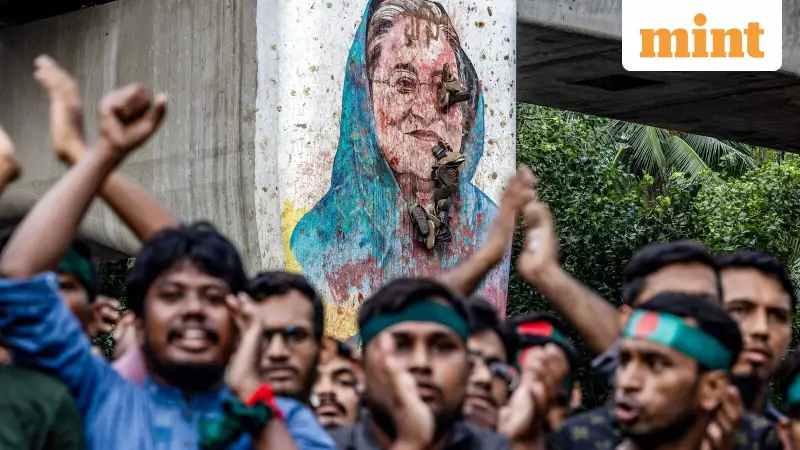
The political crisis reached its peak when student-led protests in 2024 resulted in massive casualties. According to a UN report, nearly 1,400 people died and thousands more were injured during the government's crackdown on demonstrations. Sheikh Hasina, who had just won her fourth consecutive term in office, now faces serious charges of crimes against humanity related to these events.
The aftermath of the uprising has been marked by ongoing violence. A recent report from Odhikar, a prominent Bangladeshi human rights organization, documented that 281 people have been killed in political violence between August 2024 and September 2025. The report also highlighted 40 alleged extrajudicial killings and 153 lynching incidents during this period.

Geopolitical Tensions and the St. Martin Island Factor
Strained relations between Bangladesh and the United States have deeper roots, dating back to Hasina's first term. The assassination of her father, Sheikh Mujibur Rahman, and subsequent suspicions about international involvement significantly shaped her foreign policy approach.
The strategic St. Martin's Island has emerged as a major point of contention in US-Bangladesh relations. The island's location in the Bay of Bengal, near the crucial Strait of Malacca, makes it highly valuable for military and surveillance purposes. Following her removal from power, Hasina claimed that a white man offered her a hassle-free election in January 2024 if she permitted a foreign nation to establish an air base on Bangladeshi territory, though the US State Department denied any intention to acquire the island.
Bangladesh is now preparing for its first national elections since the uprising, scheduled for February 2026. The current administration has banned Hasina's Awami League party and detained several senior leaders, while many others, including former cabinet ministers, have fled to neighboring India and other countries. Hasina and her immediate family members face multiple charges ranging from crimes against humanity to corruption as the nation navigates this transitional period.






