

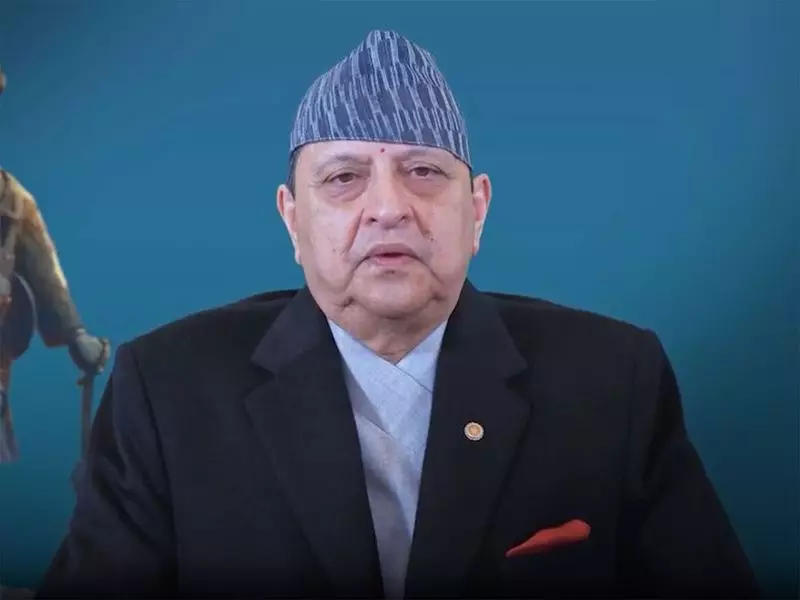
Former Nepal Monarch Embarks on Religious Pilgrimage in Madhesh Region
In a development that has captured national attention, former King Gyanendra Shah of Nepal has officially begun a religious pilgrimage in the Madhesh region. This spiritual journey, which commenced recently, is unfolding against the backdrop of the country's impending March elections, adding a layer of political intrigue to the event.
Timing and Location of the Pilgrimage
The pilgrimage is taking place in Madhesh, a southern region of Nepal known for its cultural and political significance. This area has historically been a focal point in Nepalese politics, often influencing electoral outcomes and national discourse. The timing of the former monarch's visit, just ahead of the March elections, is particularly noteworthy, as it coincides with a period of heightened political activity across the nation.
Observers and analysts are closely monitoring the situation, speculating on the potential implications for the electoral landscape. The former king's presence in Madhesh could resonate with local communities, potentially swaying voter sentiments or highlighting regional issues that may impact the upcoming polls.

Historical and Political Context
Gyanendra Shah, who reigned as the last monarch of Nepal before the country transitioned to a republic in 2008, has maintained a relatively low public profile in recent years. However, his decision to undertake this pilgrimage has reignited discussions about his role and influence in contemporary Nepalese society. The move is seen by many as a strategic effort to reconnect with the people, especially in regions like Madhesh, where traditional and royalist sentiments still hold sway among certain segments of the population.
The pilgrimage itself is rooted in religious and cultural traditions, but its political undertones cannot be ignored. In Nepal, where politics and religion often intersect, such journeys by prominent figures can serve as subtle campaigns or statements of intent. The former king's actions may be interpreted as an attempt to bolster support for royalist factions or to advocate for specific causes ahead of the elections.
Potential Impact on the March Elections
As Nepal prepares for the March elections, the former monarch's pilgrimage adds a unique dimension to the pre-election atmosphere. Key points to consider include:
- Voter Mobilization: The pilgrimage could galvanize royalist supporters and conservative voters in Madhesh, potentially affecting voter turnout and preferences.
- Media Attention: The event has garnered significant media coverage, shifting public focus towards issues of monarchy and tradition in the electoral context.
- Political Messaging: It may signal a resurgence of pro-monarchy sentiments or highlight demands for greater regional autonomy in Madhesh.
While the former king has not explicitly stated any political motives, the timing and location of the pilgrimage suggest a calculated move. In a democracy like Nepal, where every action by influential figures is scrutinized, this development could influence campaign strategies and political alliances in the lead-up to the polls.
Broader Implications for Nepal's Democracy
This pilgrimage underscores the ongoing evolution of Nepal's political landscape, where historical institutions like the monarchy continue to play a role, albeit in transformed ways. It raises questions about the balance between tradition and modernity in the country's governance and how such figures navigate the republican framework.
As the March elections approach, all eyes will be on Madhesh and the former king's activities, with analysts predicting that this pilgrimage could shape electoral narratives and outcomes. Whether it leads to a revival of royalist politics or simply remains a cultural event, its impact on Nepal's democratic process will be closely watched in the coming weeks.






