

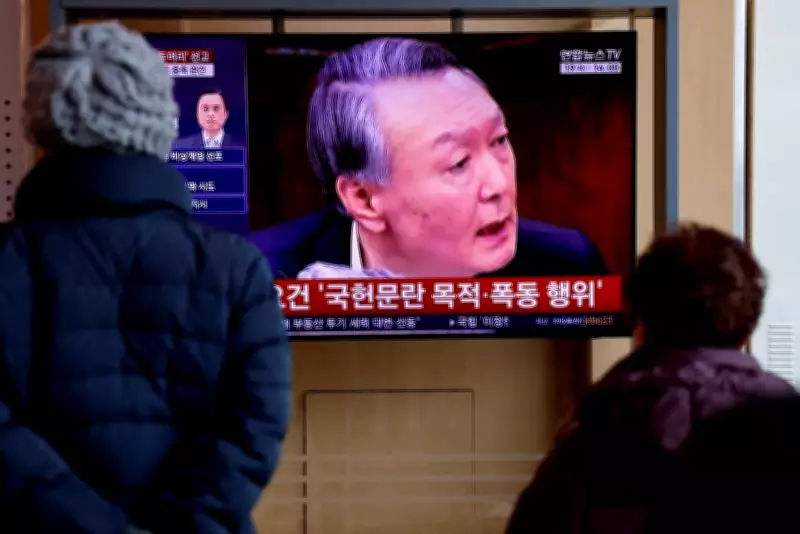
Former South Korean President Yoon Sentenced to Life for Imposing Martial Law
A South Korean court has delivered a landmark verdict, sentencing former President Yoon to life imprisonment for his role in imposing martial law during his tenure. This decision marks a pivotal moment in the nation's legal and political landscape, underscoring the judiciary's commitment to accountability for actions deemed to have violated constitutional norms.
Details of the Court Ruling
The court found Yoon guilty of unlawfully declaring martial law, an act that severely restricted civil liberties and disrupted democratic processes. Evidence presented during the trial highlighted how the imposition led to widespread protests, human rights abuses, and a significant erosion of public trust in governmental institutions. The life sentence reflects the gravity of these offenses, with the judge emphasizing the need to uphold the rule of law and prevent such abuses of power in the future.
Historical and Political Context
This case is rooted in South Korea's complex political history, where past leaders have faced scrutiny for authoritarian measures. Yoon's presidency was marked by controversial policies, and the martial law imposition was a key point of contention that sparked national and international criticism. The verdict is seen as part of broader efforts to address historical injustices and strengthen democratic safeguards in the country.

Reactions and Implications
Public and political reactions have been mixed, with some hailing the sentence as a victory for justice, while others express concerns over its potential political ramifications. Legal experts note that this ruling could set a precedent for holding high-ranking officials accountable, influencing future governance and legal standards in South Korea and beyond.
The case also highlights ongoing challenges in balancing national security with democratic principles, a debate that continues to resonate in global politics. As South Korea moves forward, this verdict is expected to shape discussions on leadership accountability and the protection of civil rights.






