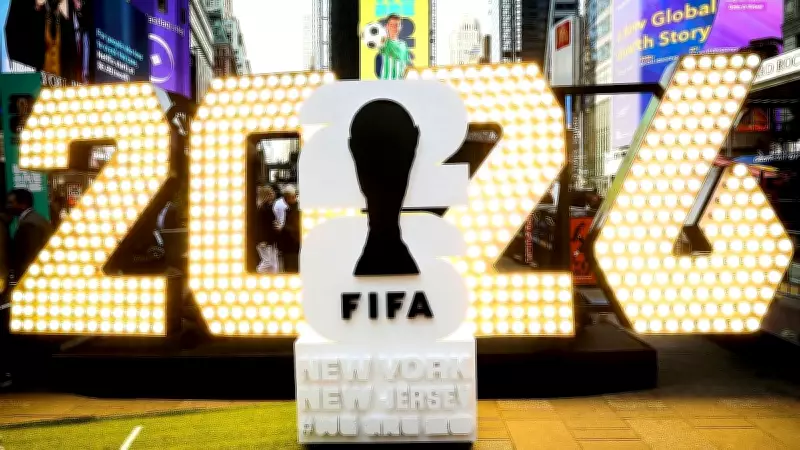
The FIFA World Cup 2026 is set to be the largest in history, with 48 teams, 72 group matches, and 104 total games. However, the tournament is overshadowed by political tensions, record-high ticket prices, and challenges such as extreme heat and player fatigue.
Expanded Format and Record Numbers
For the first time, the World Cup will feature 48 teams, up from 32. This expansion includes 8 Arab nations and 9 Asian nations, reflecting FIFA's push for global inclusivity. The group stage alone will see 72 matches, with the total number of games reaching 104.
Political Tensions Cast a Shadow
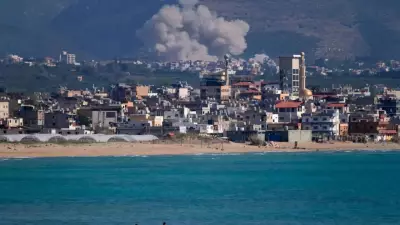
Diplomatic stand-offs, including US-Iran tensions, and violence in Mexico have raised concerns about security and sportsmanship. These issues threaten to distract from the 'Beautiful Game' and have led to heightened security measures.

Soaring Ticket Prices
High demand and limited availability have driven ticket prices to unprecedented levels. Fans face significant financial barriers, with some matches costing thousands of dollars. This has sparked debates about accessibility and the commercialization of the sport.
Legacy Players Bid Farewell
The tournament will mark the final World Cup for legends like Lionel Messi, Cristiano Ronaldo, and Manuel Neuer. Their presence adds emotional weight and nostalgia, as fans witness the end of an era.
Climate and Fatigue Challenges
Extreme heat and humidity in North American host cities, combined with the increased number of match days, pose risks to player health and performance. Critics argue that the expanded format may lead to uneven competition and lower-quality games.
Despite these challenges, the 2026 World Cup promises to be a historic event, showcasing the global passion for football.