

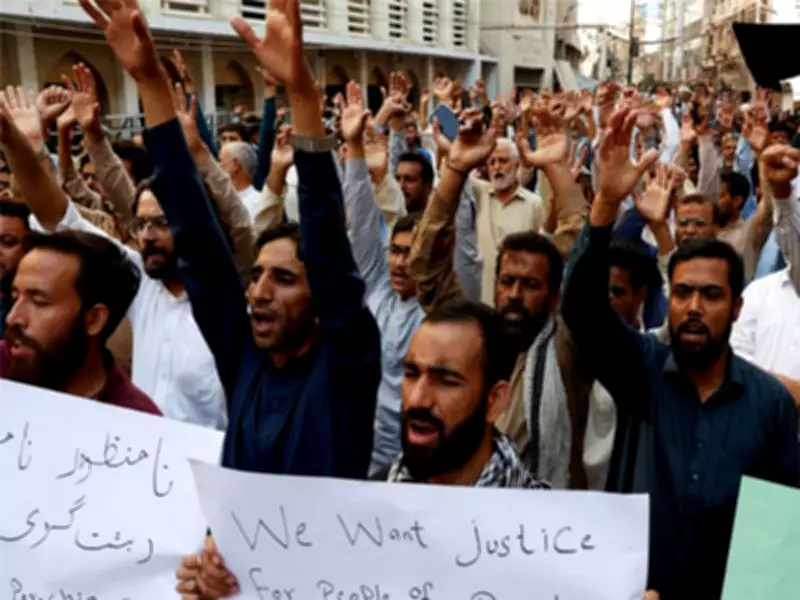
Fuel Price Protests Erupt in Pakistan's Sindh Province Amid Economic Strain
In a significant display of public unrest, massive protests have erupted across Pakistan's Sindh province following a sharp and sudden surge in fuel prices. The demonstrations, which have drawn thousands of participants, underscore the growing discontent among citizens grappling with severe economic hardships and rampant inflation. This development highlights the deepening economic crisis in Pakistan, where rising costs of essential commodities are pushing many households to the brink.
Escalating Public Anger Over Fuel Costs
The protests were triggered by a recent government announcement of a substantial increase in petrol and diesel prices, a move that has exacerbated the financial burden on ordinary Pakistanis. In Sindh, a province already struggling with economic disparities, the fuel price hike has sparked widespread outrage. Protesters, including workers, students, and local residents, have taken to the streets in major cities such as Karachi and Hyderabad, demanding immediate relief from the escalating costs.
The demonstrations have been largely peaceful but intense, with participants holding placards and chanting slogans against the government's economic policies. Many argue that the fuel price surge is untenable, given the already high inflation rates that have eroded purchasing power. This protest wave reflects a broader national sentiment of frustration, as similar unrest has been reported in other parts of Pakistan, though Sindh remains a focal point due to its economic significance.

Economic Context and Government Response
Pakistan's economy has been under severe strain in recent years, with factors such as currency devaluation, rising debt, and global market fluctuations contributing to the crisis. The fuel price increase is seen as part of broader austerity measures aimed at stabilizing the economy, but it has drawn sharp criticism for disproportionately affecting the poor and middle class. Authorities have acknowledged the protests but have defended the price adjustments as necessary to manage fiscal deficits and comply with international financial agreements.
In response to the unrest, local officials in Sindh have urged calm and promised to address public grievances through dialogue. However, protesters remain skeptical, citing a history of unmet promises and ongoing economic mismanagement. The situation has also drawn attention from human rights groups, who warn that prolonged economic distress could lead to further social instability.
Implications for Regional Stability
The protests in Sindh are not isolated incidents but part of a larger pattern of economic discontent across Pakistan. As the country navigates complex geopolitical and economic challenges, such unrest could have implications for regional stability. Observers note that sustained protests might pressure the government to reconsider its economic policies, potentially leading to reforms or concessions. However, if left unaddressed, the situation could escalate, affecting trade, governance, and social cohesion in the region.
For now, the focus remains on Sindh, where the fuel price protests serve as a stark reminder of the urgent need for economic relief and policy adjustments to alleviate public suffering.






