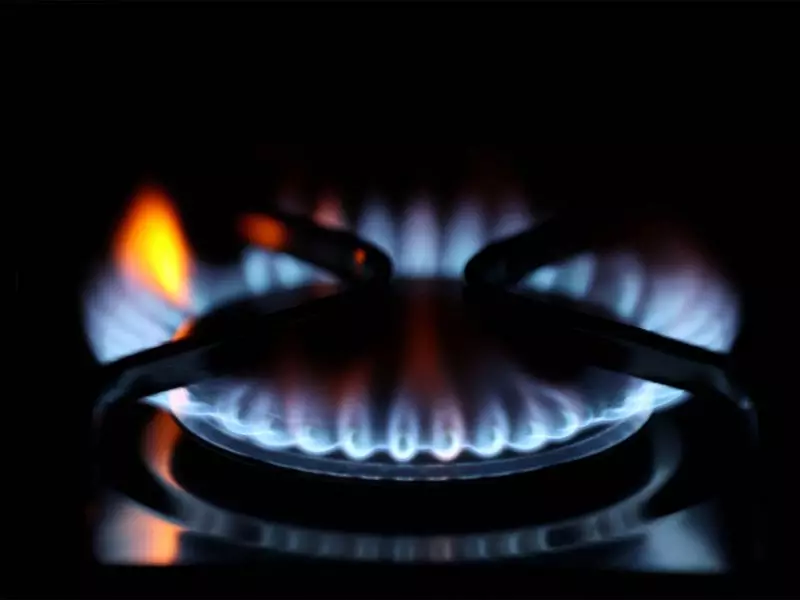
Protests erupted in Pakistan's southwestern city of Quetta on Monday as residents faced a crippling shortage of natural gas amidst a severe cold wave. Citizens, including women and children, took to the streets to voice their anger over the lack of heating and cooking fuel during freezing temperatures.
Citizens Take to the Streets in Frustration
The demonstrations, which took place on January 22, saw protestors blocking the busy Jinnah Road. They chanted slogans against the Sui Southern Gas Company (SSGC), the utility responsible for gas distribution in the region. The protestors highlighted the immense hardship caused by the gas outage, which left them unable to heat their homes or cook food as the mercury plummeted.
The city of Quetta has been experiencing temperatures near freezing point, with nights being particularly harsh. This made the absence of gas, a primary source of heating for many households, unbearable. Protestors accused the authorities of indifference to their plight and demanded an immediate restoration of gas supply.

Official Reasons and Public Outcry
In response to the public unrest, officials from the SSGC provided an explanation for the crisis. They cited a significant shortfall in gas pressure within the main transmission lines feeding the Balochistan province, where Quetta is the capital. This drop in pressure severely disrupted the distribution network.
Furthermore, the gas company officials pointed to widespread gas theft through illegal connections as a major aggravating factor. They claimed that this pilferage, combined with the technical supply issues, made it impossible to maintain consistent gas flow to legitimate consumers. However, this justification did little to placate the protestors, who demanded reliable service regardless of the challenges.
A Recurring Winter Crisis
This incident is not an isolated one. Pakistan faces a chronic gas shortage every winter, as domestic production falls short of demand. The crisis disproportionately affects provinces like Balochistan, even though it is the source of much of the country's natural gas through the Sui gas field.
The protests in Quetta underscore a deeper issue of energy mismanagement and infrastructure problems. While authorities blame theft and low pressure, citizens are left to suffer in the cold. The situation raises serious questions about resource distribution and the government's ability to provide a basic necessity during extreme weather conditions.
The demonstrations eventually dispersed, but the underlying problem remains unresolved. Without substantial improvements in gas supply infrastructure and a crackdown on systemic theft, such protests are likely to recur, highlighting the persistent energy crisis in Pakistan.