Godavari River Reveals Hidden Treasures as Water Levels Fall in Paithan
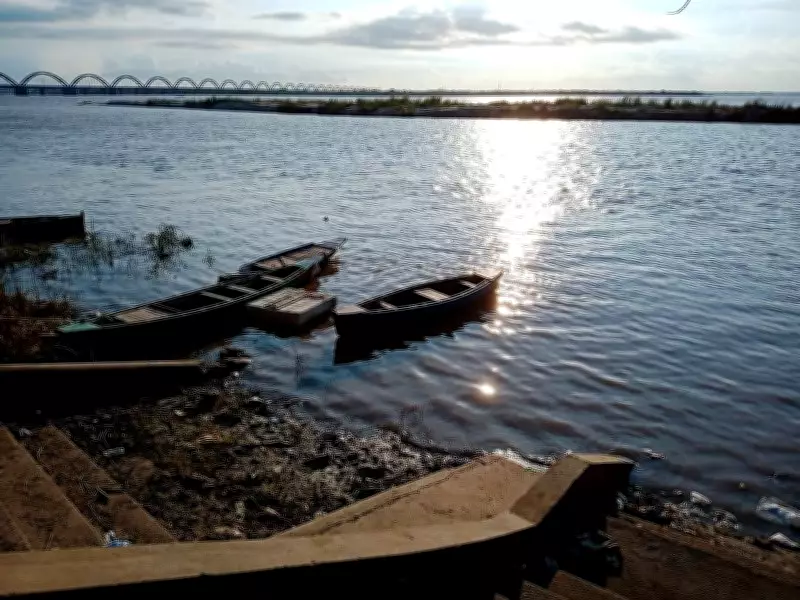
In a remarkable annual event, the Godavari River at Paithan in Maharashtra has become the site of a spontaneous gold rush. As water levels recede significantly during the dry season, villagers from surrounding areas are flocking to the riverbed, meticulously combing through the exposed silt and sand in search of gold and other valuable items. This phenomenon, driven by local folklore and historical anecdotes of hidden riches, has transformed the riverbanks into a bustling hub of activity, with people using simple tools like pans and sieves to sift for precious metals and artifacts.
Annual Phenomenon Sparks Local Excitement and Economic Hope
The receding waters of the Godavari, India's second-longest river, unveil a treasure trove that captivates the imagination of locals. According to reports, villagers believe that the river conceals gold nuggets, coins, and jewelry, possibly lost or deposited over centuries due to floods, rituals, or ancient trade routes. This year, the water level drop has been particularly pronounced, exposing larger stretches of the riverbed and intensifying the search efforts. Many participants see this as a rare opportunity to supplement their incomes, especially in rural areas where economic opportunities can be limited.
Community Efforts and Traditional Methods Dominate the SearchVillagers, often working in groups or families, employ traditional methods to scour the river. They wade into the shallow waters, scooping up sediment into containers and carefully washing it away to reveal any glittering finds. While most discoveries are small—such as tiny gold flakes or antique coins—the occasional larger find fuels enthusiasm and draws more people to the site. Local authorities have noted the increased footfall but have not intervened, as the activity is largely seen as harmless and rooted in cultural practices.

The Godavari River holds deep cultural and religious significance in India, often referred to as the "Ganga of the South." Paithan, in particular, is a historic town known for its ancient temples and as a center of learning. The belief in hidden treasures is intertwined with local legends, including stories of wealthy merchants and rulers who might have lost valuables during river crossings or ceremonies. This blend of history and hope makes the gold rush more than just an economic venture; it is a communal activity that reinforces local identity and traditions.
Environmental and Safety Considerations Amid the Frenzy
While the gold rush brings excitement, it also raises concerns about environmental impact and safety. The intensive digging and sifting can disturb the riverbed ecosystem, affecting aquatic life and sediment flow. Additionally, villagers often work in precarious conditions, with risks of slipping or encountering debris. However, participants generally take precautions, and the seasonal nature of the event limits long-term damage. Experts suggest that such activities highlight the need for balanced approaches to natural resource use, especially in ecologically sensitive areas like riverbanks.
In summary, the Godavari gold rush in Paithan is a vivid example of how natural phenomena can spark human ingenuity and community engagement. As villagers continue their search, this event underscores the enduring connection between people and their environment, blending economic aspiration with cultural heritage in a unique annual ritual.