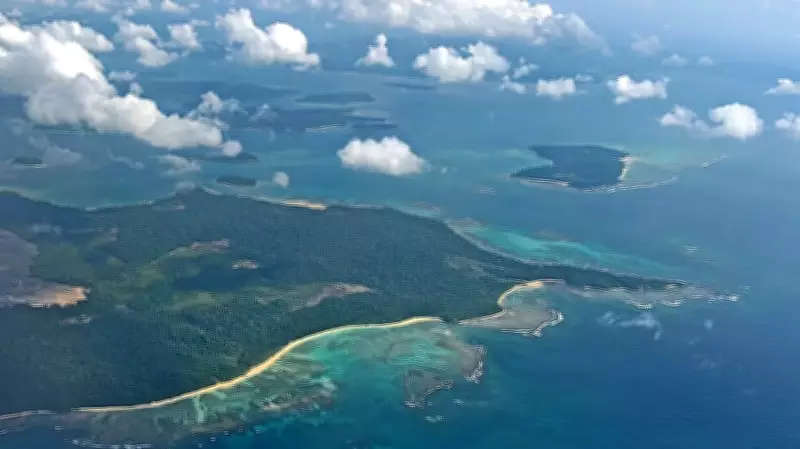
The Great Nicobar Island (GNI) project, envisioned as a major strategic and developmental initiative, is facing escalating criticism from environmentalists, local communities, and political opponents. In response, the government and project proponents are intensifying efforts to reshape the narrative, emphasizing the project's critical military significance for India's national security.
Strategic Importance of the Great Nicobar Project
The GNI project is designed to bolster India's military presence in the Indian Ocean region. Located near the Malacca Strait, one of the world's busiest shipping lanes, the island's development includes a new naval base, an airstrip, and supporting infrastructure. Officials argue that these assets are essential for monitoring and securing sea lanes, countering Chinese influence, and enhancing India's capability to project power in the region.
Proponents highlight that the project will create a strategic hub for the Indian Navy and Air Force, enabling faster response times and sustained operations. The proposed deep-sea port and airport are expected to support both military and civilian purposes, boosting connectivity and economic activity in the remote archipelago.

Environmental and Social Concerns
Critics, however, point to severe environmental and social costs. The Great Nicobar Island is part of a UNESCO World Heritage Site and hosts unique biodiversity, including endemic species and pristine rainforests. Environmental groups warn that large-scale construction could lead to deforestation, habitat destruction, and disruption of fragile ecosystems. Indigenous Shompen and Nicobarese communities, who have lived in isolation for centuries, face displacement and cultural erosion.
Economic viability is another contentious issue. The project's estimated cost has ballooned, with some analysts questioning the return on investment. They argue that alternative, less invasive strategies could achieve similar strategic goals without the ecological and social fallout.
Government's Counter-Narrative
To counter mounting opposition, the government has launched a concerted media and public relations campaign. Official statements and briefings stress that the project is not merely a development venture but a national imperative. The military significance is being highlighted as paramount, with officials asserting that national security cannot be compromised for environmental or local concerns.
Recent reports indicate that the government is engaging with local leaders and offering compensation packages to affected communities. However, activists claim these measures are inadequate and that the consultation process has been superficial. The project's environmental clearance is also under legal scrutiny, with petitions pending in courts.
Balancing Development and Conservation
The debate over the Great Nicobar project reflects a broader tension between development and conservation. While the strategic rationale is clear, the long-term costs—ecological, social, and financial—remain contentious. As the project moves forward, the government faces the challenge of balancing national ambition with sustainable practices and respect for indigenous rights.
Observers suggest that a more transparent and inclusive approach could mitigate opposition. Independent environmental impact assessments, meaningful community engagement, and clear mitigation strategies might help build consensus. The outcome of this project will likely set a precedent for how India handles similar strategic initiatives in ecologically sensitive areas.