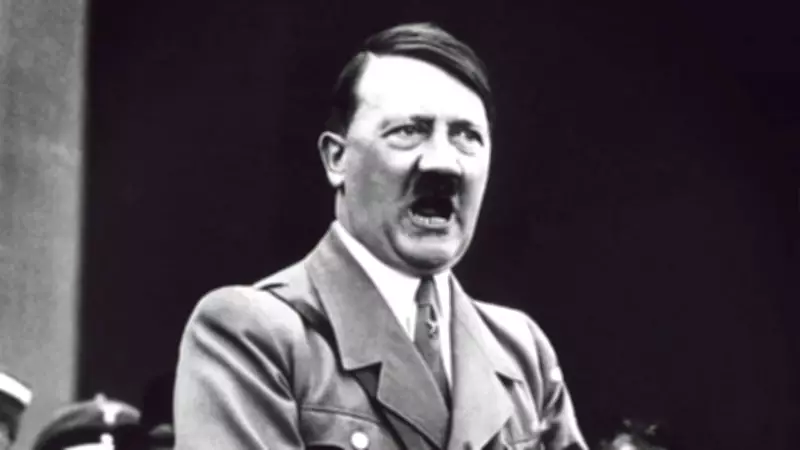
Distorted Historical Memory: Hitler Admiration in Pakistan Puzzles Europeans
Admiration for Adolf Hitler should be morally unthinkable anywhere in the world. Yet, in certain parts of Pakistan, his name continues to surface in everyday conversations with a tone of unexpected respect. This phenomenon often startles Europeans who encounter it firsthand, highlighting a profound gap in historical understanding and cultural perception.
Unsettling Encounters: Casual References to a Dark Figure
German journalist Hasnain Kazim detailed this disturbing experience in a widely discussed essay published in Der Spiegel. He wrote about repeatedly hearing Pakistanis speak of Hitler as if he were a bold or admirable historical figure. The encounters Kazim describes are particularly uncomfortable due to their casual nature.
In one instance, a barber styling his hair remarked approvingly that he resembled Hitler. Taxi drivers and acquaintances would bring up Hitler in conversation with Germans, assuming it would be taken as a compliment rather than an insult. The tone is not always ideological; often, it is simply admiration for what they imagine to be a powerful leader who stood up to Western powers.

A Deeply Distorted Understanding of History
This perception rests on a profoundly distorted understanding of history. In many of these conversations, Hitler appears not as the architect of genocide, but as a figure associated with strength, discipline, and defiance. The Holocaust is rarely mentioned, and the scale of Nazi crimes is either unknown or deliberately ignored. Instead, Hitler becomes a vague symbol of power, stripped of his historical atrocities.
The Der Spiegel essay recounts one particularly surreal image from Islamabad: a luxury car carrying a swastika sticker alongside the words "I like Nazi." The symbolism appears almost casual, devoid of the horror it carries in Europe. What shocks Germans encountering such moments is not simply the presence of Nazi imagery but the complete absence of shame surrounding it.
Roots of the Phenomenon: Anti-Western Sentiment and Conspiracy Theories
The roots of this phenomenon are complicated but not entirely mysterious. Anti-Western sentiment has long shaped political narratives in Pakistan, particularly those rooted in resentment toward former colonial powers and contemporary global politics. In that emotional landscape, figures perceived to have challenged Western dominance sometimes acquire an undeserved aura of admiration.
Hitler is occasionally inserted into that narrative as a supposed opponent of Britain and the West, even though the historical reality is far more complex and morally catastrophic. Another significant factor is the persistence of conspiratorial thinking and antisemitic tropes. In some discussions, Hitler appears as a figure connected to hostility toward Jews and Israel, particularly in conversations shaped by anger over the Palestinian issue.
In such contexts, the Holocaust fades from view, and the dictator becomes a symbol in a political story that has little to do with the reality of Nazi Germany. This distorted memory is not unique to Pakistan; around the world, historical figures sometimes become detached from the events that defined them. Distance, ignorance, and grievance can transform villains into caricatures, leaving behind a simplified image of power without the moral weight that should accompany it.
The Casualness of Historical Amnesia
The most disturbing element lies in the casualness with which Hitler is sometimes invoked. He is often referenced as a rhetorical flourish or a symbol of strong leadership rather than as the man responsible for one of the worst crimes in human history. When this happens, the historical context collapses entirely. The genocide, the ideology, and the devastation of the Second World War vanish from the conversation.
The Der Spiegel essay captures this unsettling contrast vividly. For Germans, Hitler represents an enduring national trauma and a stark warning about the dangers of extremism. In some parts of Pakistan, however, the same name appears stripped of its historical meaning and recast as a figure of exaggerated strength.

Symbols Traveling Across Cultures, Losing Meaning
This gap in historical memory illustrates how easily symbols can travel across cultures while losing the reality that gave them meaning. Hitler becomes less a historical figure and more a mythological one, shaped by hearsay, resentment, and incomplete education. The tragedy is that admiration of this kind often grows not from ideological commitment but from profound ignorance.
When history is poorly understood, the past becomes a collection of symbols rather than lessons. In that environment, even the darkest figures can be misunderstood as heroes. The uncomfortable truth revealed in the Der Spiegel essay is therefore not simply that Hitler has admirers in Pakistan. It is that such admiration can exist without a clear understanding of what Hitler actually did.
When historical knowledge fades, even the most obvious villains can be recast in the imagination as symbols of strength. And that, perhaps, is the most disturbing lesson of all—a warning about the dangers of historical amnesia and the ease with which evil can be sanitized through distance and distortion.