IMF Chief Kristalina Georgieva to Visit Sri Lanka Amid Cyclone Ditwah Recovery Efforts
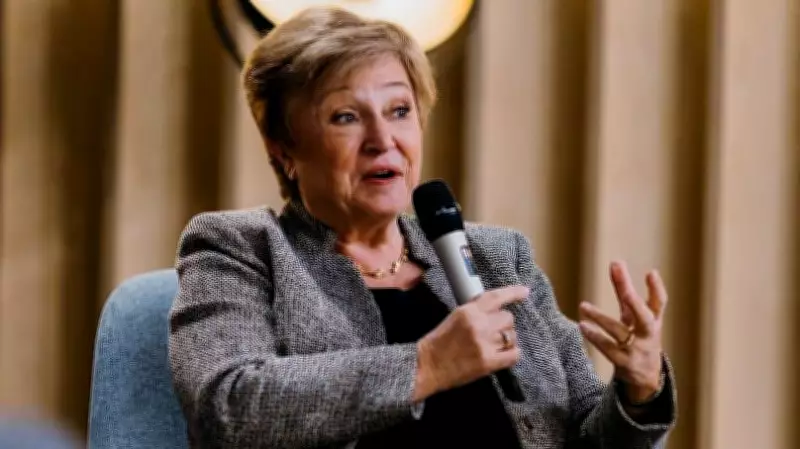
The International Monetary Fund (IMF) has announced that its Managing Director, Kristalina Georgieva, will undertake an official visit to Sri Lanka. This high-profile trip comes at a critical juncture as the island nation continues to grapple with the severe aftermath of Cyclone Ditwah. The visit is strategically timed to evaluate the extensive economic damage inflicted by the natural disaster and to engage in high-level discussions regarding the ongoing recovery and reconstruction initiatives.
Focus on Economic Assessment and Support
Georgieva's itinerary is expected to include meetings with key Sri Lankan government officials, including President Ranil Wickremesinghe and Finance Minister Shehan Semasinghe. The primary agenda will center on a comprehensive assessment of how Cyclone Ditwah has impacted Sri Lanka's fragile economy, which is still navigating a path out of a severe financial crisis. The discussions are anticipated to cover the immediate humanitarian needs, the long-term reconstruction costs, and how the IMF's existing financial support program can be aligned or augmented to facilitate a robust recovery.
The cyclone caused widespread devastation, damaging critical infrastructure, agriculture, and housing, thereby posing a significant setback to the country's economic stabilization efforts. The IMF delegation will likely review the progress on reforms tied to the current $3 billion Extended Fund Facility (EFF) arrangement, which was approved in 2023 to address Sri Lanka's debt crisis.

Context of Sri Lanka's Ongoing Challenges
This visit underscores the IMF's continued engagement with Sri Lanka during a period of compounded challenges. Prior to the cyclone, the country was making gradual progress under the IMF program, which mandated strict fiscal reforms, debt restructuring, and measures to curb inflation. The natural disaster adds a layer of complexity, potentially straining public finances and delaying economic targets. Georgieva's presence signals the IMF's commitment to providing flexible support and technical assistance to help Sri Lanka manage this dual crisis of economic fragility and environmental disaster.
Analysts suggest the visit could pave the way for discussions on potential additional financing or adjustments to the program's conditions to account for the cyclone-related expenditures. The Sri Lankan government has been actively involved in relief operations, and international aid has been mobilized, but the scale of destruction necessitates sustained financial and policy support.
Implications for Regional and Global Cooperation
The IMF chief's trip also highlights the importance of international financial institutions in supporting climate-vulnerable nations. Sri Lanka, like many countries in the Asia Pacific region, faces increasing threats from extreme weather events, which can derail economic progress. Georgieva's assessment will likely inform broader IMF policies on climate resilience and disaster response financing. Her visit is seen as a gesture of solidarity and a practical step to ensure that recovery efforts are financially viable and integrated into the nation's broader economic reform agenda.
In conclusion, Kristalina Georgieva's upcoming visit to Sri Lanka is a significant development focused on aligning international financial support with the urgent needs arising from Cyclone Ditwah. It represents a critical effort to bolster the country's recovery while reinforcing the implementation of essential economic reforms for long-term stability.