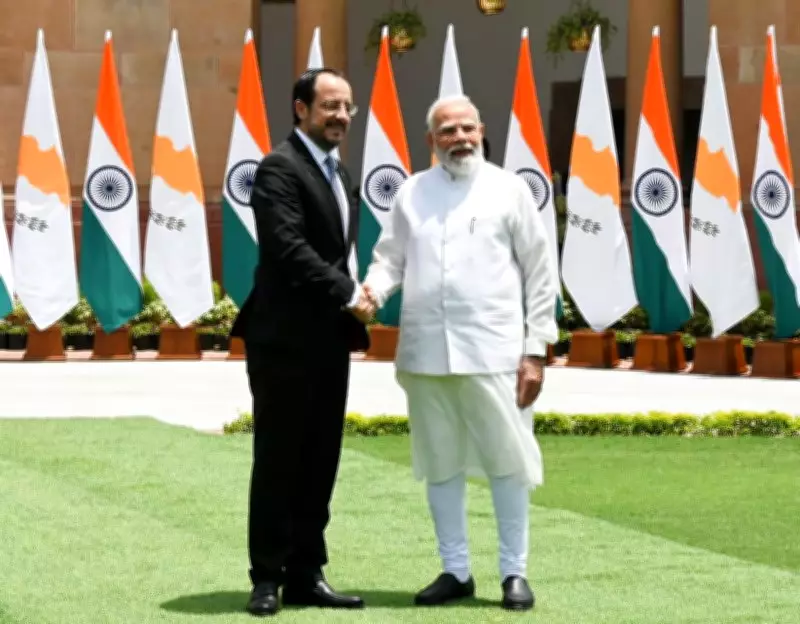
India and Cyprus have formally elevated their bilateral relationship to a strategic partnership, marking a significant milestone in their diplomatic engagement. The decision was announced following high-level talks between Prime Minister Narendra Modi and Cyprus President Nicos Anastasiades, who was on a state visit to India. This upgrade reflects the mutual desire to deepen cooperation across a wide range of areas, including defense, security, trade, investment, and cultural exchanges.
Key Areas of Cooperation
The new strategic partnership encompasses several key sectors. In defense and security, both nations have agreed to enhance collaboration through joint exercises, training programs, and intelligence sharing. They also pledged to work together to combat terrorism, cybercrime, and maritime piracy. On the economic front, the leaders discussed ways to boost bilateral trade and investment, with a focus on sectors such as information technology, pharmaceuticals, renewable energy, and tourism. Cyprus, being a gateway to the European Union, offers Indian companies access to European markets, while India presents opportunities for Cypriot businesses in its rapidly growing economy.
Cultural and People-to-People Ties
Cultural diplomacy was also a highlight of the discussions. Both countries agreed to promote cultural exchanges, including organizing festivals, art exhibitions, and academic collaborations. The Indian diaspora in Cyprus, which is small but vibrant, was recognized as a bridge between the two societies. Additionally, the leaders emphasized the importance of tourism and agreed to facilitate easier travel arrangements to boost tourist flows.

Multilateral and Regional Cooperation
On the global stage, India and Cyprus reaffirmed their commitment to multilateralism and the rules-based international order. They discussed issues related to climate change, sustainable development, and UN reforms. Cyprus expressed support for India's permanent membership in an expanded United Nations Security Council. The two sides also exchanged views on regional developments, including the situation in the Eastern Mediterranean and South Asia, and agreed to coordinate their positions in international forums.
The upgrade to a strategic partnership is expected to provide a new impetus to bilateral relations, which have been traditionally warm and friendly. It underscores the growing convergence of interests and shared values between the two nations, paving the way for a more robust and multifaceted engagement in the years to come.