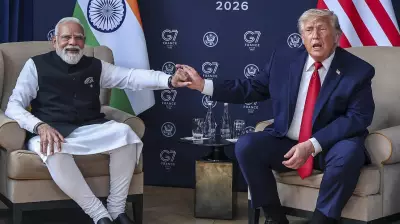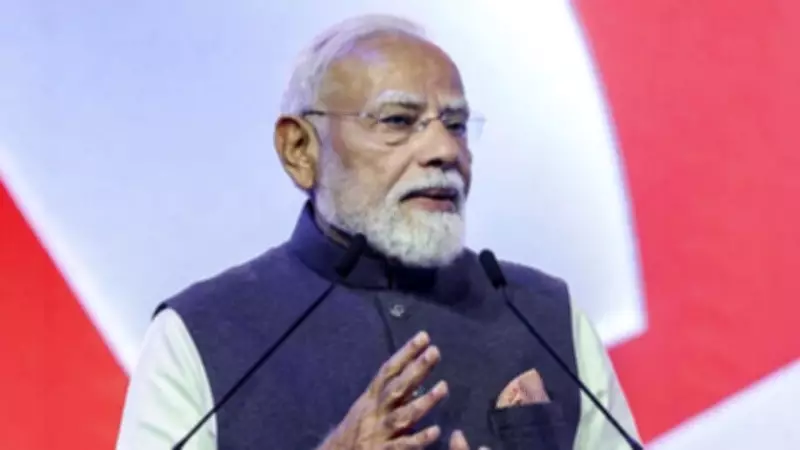
Prime Minister Narendra Modi, on the final leg of his three-nation tour, landed in Auckland on Friday and stated that the proposed India-New Zealand free trade agreement (FTA) will bring 'depth and dynamism' to the bilateral economic relationship. The visit, which largely focused on expanding economic and security cooperation, marks a significant step in strengthening ties between the two countries.
Modi's remarks on the FTA
Speaking to business leaders and officials in Auckland, Modi emphasized that the FTA is not just a trade deal but a comprehensive partnership that will benefit both nations. 'This pact will inject depth and dynamism into our economic ties, creating new opportunities for trade, investment, and innovation,' he said. The agreement is expected to cover goods, services, and investment, with a focus on reducing tariffs and non-tariff barriers.
Details of the trade pact
Negotiations for the India-New Zealand FTA have been underway for several years, with both sides expressing optimism about reaching a final deal. The pact aims to boost bilateral trade, which currently stands at around $2 billion annually. Key sectors expected to benefit include dairy, agriculture, pharmaceuticals, and information technology. New Zealand is a major exporter of dairy products, while India has a strong pharmaceutical sector.

According to sources, the agreement will also address issues related to intellectual property rights, e-commerce, and sustainable development. The Indian government has been pushing for greater market access for its services sector, including IT and healthcare professionals.
Impact on bilateral relations
The FTA is seen as a game-changer for India-New Zealand relations, which have been historically cordial but limited in economic scope. Modi's visit also included discussions on security cooperation, particularly in the Indo-Pacific region. Both countries share concerns about maritime security and the need for a free and open Indo-Pacific.
During his address, Modi also highlighted the potential for collaboration in renewable energy, space technology, and education. 'Our partnership is not just about trade; it is about building a shared future based on trust and mutual benefit,' he added.
Reactions from New Zealand officials
New Zealand Prime Minister Chris Hipkins welcomed Modi's comments, stating that the FTA would open up new markets for New Zealand exporters. 'India is a key partner for us, and this agreement will strengthen our economic resilience,' Hipkins said. He also noted that the pact would help diversify New Zealand's trade portfolio, reducing dependence on traditional markets like China.
Business groups in both countries have expressed support for the FTA, though some concerns remain about the impact on domestic industries. Indian dairy farmers, for instance, have raised worries about competition from New Zealand imports. However, officials have assured that safeguards will be put in place to protect sensitive sectors.
Modi's three-nation tour
Modi's three-nation tour, which included stops in Papua New Guinea and Fiji, was aimed at strengthening India's ties with the Pacific region. The visits focused on enhancing cooperation in areas such as climate change, infrastructure development, and digital connectivity. The India-New Zealand FTA was a key outcome of the tour, signaling India's commitment to deepening economic engagement with developed economies.