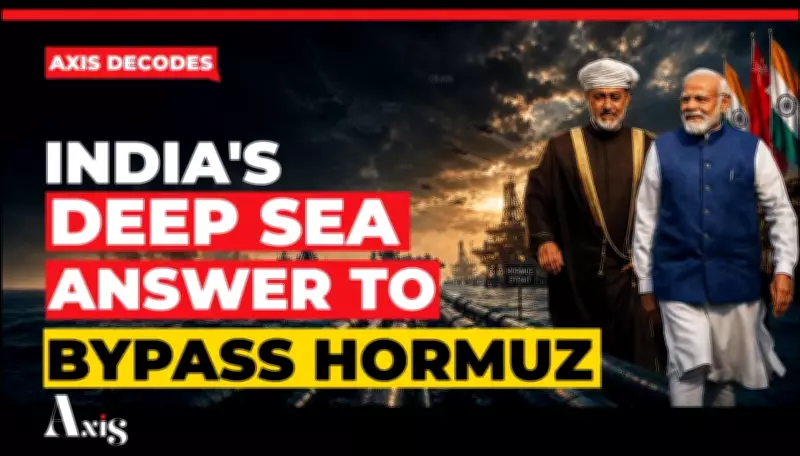
India is reviving one of its most ambitious energy infrastructure projects ever proposed: a nearly 2,000-kilometre undersea gas pipeline from Oman to Gujarat. Known as the Middle East-India Deepwater Pipeline (MEIDP), the project is estimated to cost around Rs 40,000 crore and could become one of the deepest subsea pipelines ever attempted globally.
Why the Strait of Hormuz Matters
The Strait of Hormuz, a narrow sea route between the Persian Gulf and the Gulf of Oman, carries nearly one-fifth of the world’s oil and liquefied natural gas (LNG) trade. For India, the stakes are even higher: nearly two-thirds of its LNG imports pass through this chokepoint. Any disruption due to conflict or geopolitical tensions can immediately impact fertiliser plants, industries, electricity systems, and household budgets across the country.
A National Security Strategy
The MEIDP is being viewed not just as an infrastructure project but as a critical component of India’s national security strategy. By bypassing the Strait of Hormuz, India aims to insulate itself from potential blockades or disruptions that could cripple its energy supply. The project has been on the drawing board for decades but is now being revived amid heightened regional instability.

China’s Pipeline Advantage
China has long pursued overland pipeline routes for energy imports, reducing its reliance on sea lanes. In contrast, India remains heavily dependent on maritime routes. The MEIDP would help India achieve a similar strategic advantage by providing a direct undersea link to Middle Eastern gas supplies, reducing vulnerability to naval blockades or conflicts in the Persian Gulf.
Technical Challenges and Prospects
The pipeline would traverse some of the deepest waters in the Arabian Sea, requiring advanced engineering and significant investment. Despite these challenges, the Indian government is pushing forward with feasibility studies and international partnerships. Success would not only enhance India’s energy security but also strengthen its economic resilience.
In conclusion, the revival of the Oman-Gujarat pipeline reflects India’s determination to secure its energy future. While the project faces technical and financial hurdles, its potential to mitigate the risks posed by the Strait of Hormuz makes it a strategic priority. The MEIDP could transform India’s energy landscape and serve as a model for other nations seeking to diversify their energy import routes.