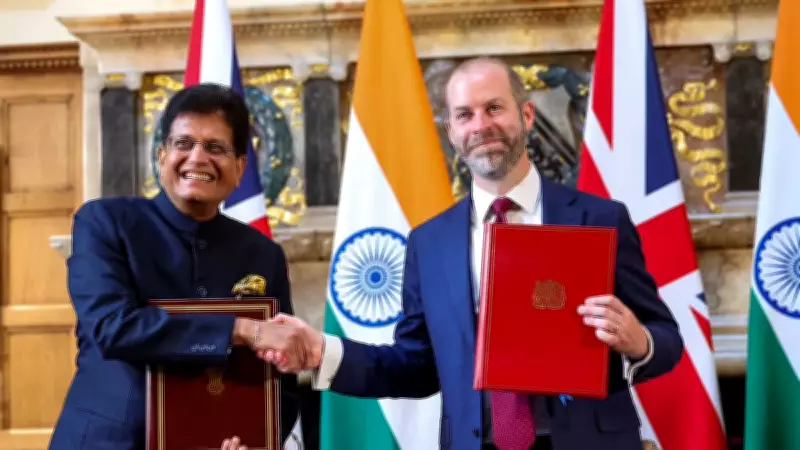
The India-UK free trade agreement is set to come into effect on July 15, following a decisive meeting between Prime Minister Narendra Modi and his British counterpart Keir Starmer at the G7 Leaders' Summit in France. The announcement marks a significant milestone in bilateral economic relations between the two nations.
Key Details of the Deal
The decision was finalized during the sidelines of the G7 summit, where both leaders emphasized the mutual benefits of the trade pact. The agreement aims to boost trade, investment, and job creation in both countries, covering a wide range of sectors including goods, services, and digital trade.
Impact on Trade Relations
This free trade deal is expected to eliminate or reduce tariffs on numerous products, streamline customs procedures, and enhance market access for businesses. It also includes provisions for intellectual property rights, sustainable development, and cooperation in emerging technologies.

- Tariff reductions on key exports such as textiles, pharmaceuticals, and automobiles.
- Enhanced access for UK services like banking, insurance, and legal services in the Indian market.
- Commitments to digital trade and data flow, promoting innovation and e-commerce.
Political Significance
The agreement underscores the strengthening ties between India and the UK post-Brexit. Prime Minister Modi described the deal as a "win-win" for both nations, while Starmer highlighted its role in fostering economic resilience and shared prosperity.
Both leaders expressed optimism about the future partnership, with plans to deepen collaboration in defense, climate change, and technology. The implementation date of July 15 will see the first phase of tariff reductions and regulatory reforms taking effect.
Next Steps
Businesses on both sides are preparing for the new trade environment. The Indian government has assured support for exporters to leverage the opportunities, while UK industries are expected to benefit from reduced barriers in one of the world's fastest-growing economies.