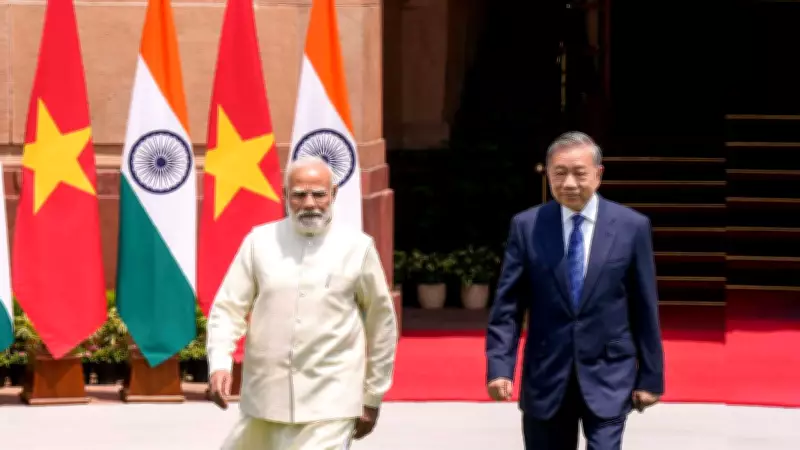
India and Vietnam have elevated their bilateral relationship to an enhanced comprehensive strategic partnership following high-level talks held in New Delhi. This significant upgrade signals a major deepening of cooperation across multiple domains, including defence, trade, digital technology, and critical resources.
Trade Target and Key Agreements
Both nations have set an ambitious target of achieving 25 billion dollars in bilateral trade by the year 2030. To realise this goal, they are focusing on sectors such as rare earth minerals, energy security, and building resilient supply chains. A total of 13 agreements have been signed during the talks, covering key initiatives in digital payments, pharmaceuticals, and education. Notably, the integration of India's Unified Payments Interface (UPI) with Vietnam's digital payment systems is expected to boost financial connectivity and ease of transactions.
Strategic and Geopolitical Implications
The partnership also reflects a broader geopolitical shift, as India and Vietnam strengthen their coordination in the Indo-Pacific region amid rising tensions. Positioned within India's Act East Policy, Vietnam remains a crucial partner in New Delhi's expanding engagement with the Association of Southeast Asian Nations (ASEAN) and its long-term strategic vision. The enhanced ties send a clear strategic signal to China, as both countries seek to maintain a rules-based order and stability in the region.

Defence and Resource Cooperation
Defence cooperation has been a cornerstone of the upgraded partnership. Both sides have agreed to enhance joint military exercises, intelligence sharing, and maritime security collaboration. Additionally, cooperation in rare earths and critical minerals is expected to reduce dependence on dominant suppliers and strengthen supply chain resilience. Energy security is another priority, with agreements aimed at ensuring stable and sustainable energy supplies.
The upgraded ties mark a new chapter in India-Vietnam relations, underscoring their shared commitment to peace, prosperity, and strategic autonomy in the Indo-Pacific.