In a bold move to reimagine urban living, Indonesia is carving a new, green metropolis from the heart of its jungle. This ambitious project promises an escape from the notorious traffic and overcrowding that plague many Asian cities. While its long-term future remains a subject of global debate, the early residents who have made the move report a refreshing life, far from the relentless hustle of traditional megacities.
The Vision of a Sustainable Metropolis
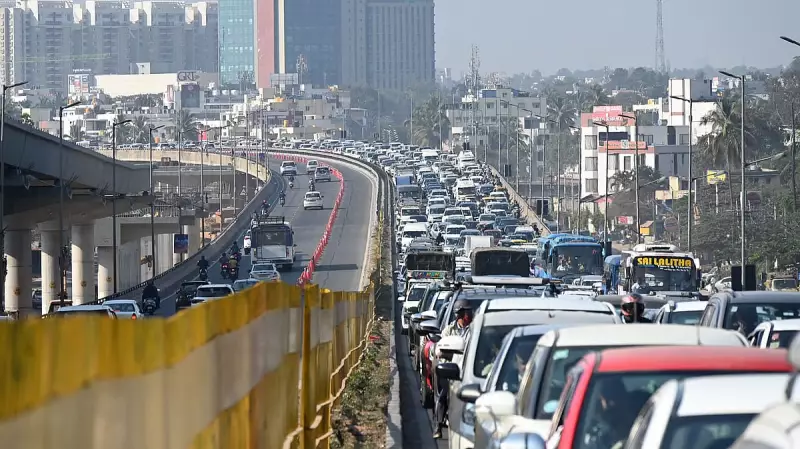
The initiative, centered on the development of the new capital city Nusantara on the island of Borneo, represents one of the most significant urban planning experiments of our time. The core idea is to build a city from the ground up with sustainability and livability as its founding principles. The plan explicitly aims to avoid the crippling traffic congestion that defines cities like Jakarta, instead prioritizing green spaces, renewable energy, and efficient public transport.
Authorities envision a smart, forest city where nature and infrastructure coexist. The project, officially announced and under active development, seeks to redistribute economic growth and relieve the immense pressure on Java Island. The reported sentiment from some of the first inhabitants is one of appreciation for the quieter, less chaotic environment, a stark contrast to the "madding crowd" of established urban centers.

Current Realities and Resident Experiences
As of the latest reports, including from the International New York Times dated 28 December 2025, the city is still very much a work in progress. The construction is ongoing within the jungle, transforming vast tracts of land into the skeleton of a future administrative and economic hub. Despite the uncertainties surrounding its full completion and ultimate success, a common thread among pioneering residents is the quality of life.
Living in this nascent urban area offers a unique proposition: modern amenities set against a backdrop of natural greenery, and critically, the absence of soul-crushing daily traffic jams. This key selling point—a traffic-free or significantly reduced-traffic lifestyle—is a powerful lure for those weary of spending hours commuting in smog-filled streets. The experience so far suggests that the concept of a decentralized, green capital is resonating on a personal level with its early adopters.
An Uncertain Future Amidst Grand Ambitions
However, the path forward is far from certain. Massive greenfield projects of this scale face immense challenges, including securing sustained funding, ensuring genuine environmental sustainability beyond the blueprint, and attracting a critical mass of businesses and citizens to ensure vitality. Critics point to the ecological impact of building in a biodiverse rainforest and the social implications of moving the seat of government.
The project stands at a crossroads between a visionary solution to urban decay and a potential white elephant. Its success will depend not just on infrastructure, but on creating a compelling, inclusive, and truly functional community that can thrive for generations. The world is watching to see if this Indonesian experiment in jungle urbanism can deliver on its promise of a harmonious and efficient future for city dwellers.