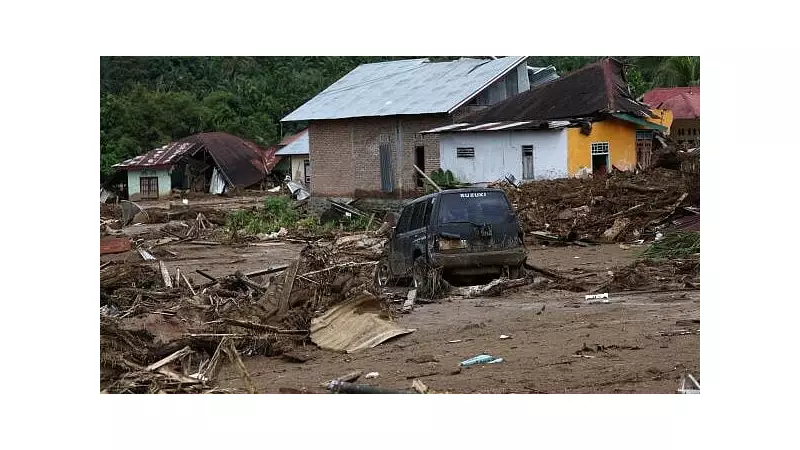
Tragedy struck the island of Sulawesi in Indonesia as devastating flash floods and landslides claimed multiple lives. The disaster, triggered by relentless heavy rainfall, has left communities in mourning and rescue teams in a frantic search for survivors.
Details of the North Sulawesi Disaster
The catastrophic event occurred in the North Sulawesi province of Indonesia. According to local disaster management officials, the intense downpour began on Saturday, May 11, 2024, leading to severe flooding and subsequent landslides in the affected areas.
The toll from the natural calamity is severe. Authorities have confirmed that at least 14 people have lost their lives. Furthermore, the situation remains critical as four individuals are still reported missing, prompting extensive search and rescue operations. The powerful force of the water and mud also caused significant damage to infrastructure, sweeping away homes and blocking vital roadways with debris.

Rescue and Response Efforts
Emergency services, including the national search and rescue agency, have been deployed to the region. Their primary focus is locating the four missing persons amidst the challenging conditions. The operations are concentrated in the areas hardest hit by the landslides and floodwaters.
Indonesia, an archipelago nation, is frequently vulnerable to such hydrological disasters, especially during the rainy season. The country's topography, combined with deforestation and climate patterns, often leads to deadly flash floods and landslides. This latest incident in North Sulawesi adds to a history of similar tragedies, underscoring the persistent threat faced by communities in prone regions.
A Recurring Threat in a Vulnerable Archipelago
This disaster highlights the ongoing challenges of natural disaster management in Southeast Asia. Just weeks prior, nearby West Sumatra province experienced a similar catastrophe where cold lava flows from a volcano, mixed with heavy rain, resulted in numerous fatalities. The recurring nature of these events points to the broader issues of environmental management and climate resilience.
The local government and disaster agencies are now tasked with both immediate relief efforts and the longer-term recovery for displaced families. The coming days will be crucial for the search teams as they work against time to find the missing, while the community begins the painful process of rebuilding.