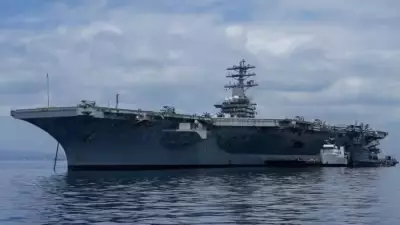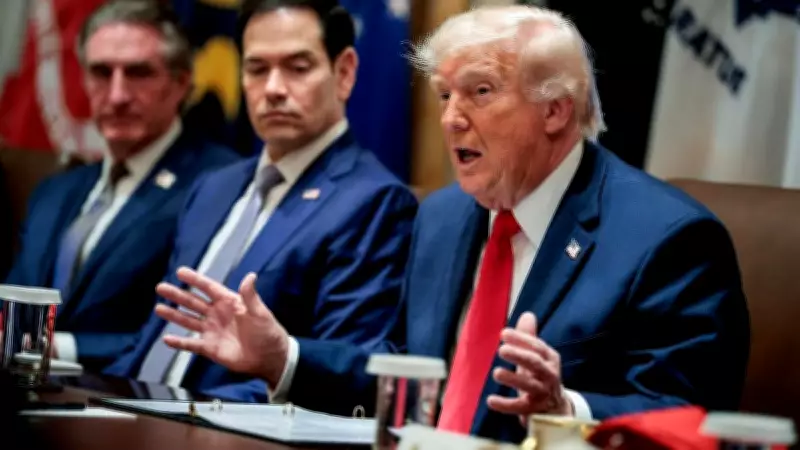
The United States and Iran carried out air strikes against each other's positions, escalating hostilities and threatening the fragile ceasefire that had been in place since early April. The strikes came shortly after former President Donald Trump dismissed reports of a potential deal regarding the Strait of Hormuz, a critical waterway for global oil shipments.
Ceasefire Under Threat
The tenuous ceasefire between the two nations, which had raised hopes for a broader peace agreement, now appears increasingly vulnerable. The latest exchange of fire has dampened optimism for a diplomatic resolution and triggered a sharp increase in oil prices, as markets reacted to the renewed instability in the region.
Details of the Strikes
According to initial reports, US forces targeted Iranian military installations near the Strait of Hormuz, while Iran responded with strikes on US positions in the Persian Gulf. The precise extent of casualties and damage remains unclear, but both sides have confirmed the operations.

The escalation marks a significant setback for international efforts to stabilize the region. Diplomatic channels, which had shown signs of progress in recent weeks, now face renewed strain as both nations adopt强硬 postures.
Oil Markets Surge
The news of the strikes sent oil prices soaring by more than 5% in early trading, reflecting concerns over potential disruptions to supply routes through the Strait of Hormuz. Analysts warn that prolonged conflict could lead to sustained price increases, affecting global economies.
The situation remains fluid, with world leaders calling for restraint and a return to negotiations. The United Nations has urged both parties to de-escalate and uphold the ceasefire agreement.