

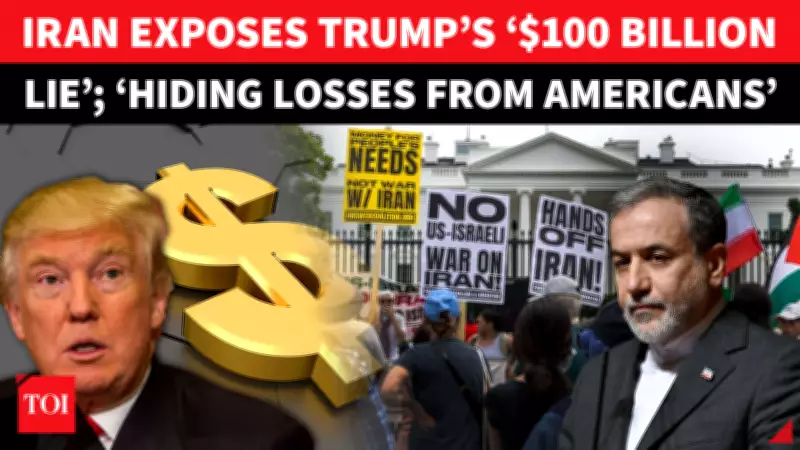
Iranian Foreign Minister Abbas Araghchi has ignited a fierce debate by accusing the Pentagon of hiding the true cost of the war with Iran. In a dramatic statement, Araghchi claimed that the real bill has already hit $100 billion, far exceeding official estimates. He asserted that American households are quietly bearing the financial burden.
Official Estimates vs. Iran's Claims
The Pentagon has publicly estimated the cost of operations against Iran at around $25 billion. However, Araghchi's allegations suggest a much higher figure, pointing to hidden expenses that have not been disclosed to the public. Reports from CNN and experts like Linda Bilmes indicate that the long-term cost could reach $1 trillion when accounting for veterans' care, equipment replacement, and other indirect expenses.
Expert Analysis
Linda Bilmes, a Harvard economist known for her work on war costs, has previously highlighted that the U.S. often underestimates the full financial impact of military engagements. She notes that long-term liabilities, such as healthcare for veterans and interest on debt, can multiply the initial outlay several times over. In the context of the Iran conflict, Bilmes suggests that the $1 trillion figure is plausible if the war continues or escalates.

Rising Tensions and Fragile Ceasefire
The war with Iran has seen fluctuating intensity, with a fragile ceasefire currently in place. However, tensions remain high, and both sides have engaged in periodic skirmishes. The financial toll of maintaining a military presence in the region, coupled with the cost of advanced weaponry and intelligence operations, continues to mount. Critics argue that the Pentagon's lack of transparency undermines public trust and prevents informed debate about the true cost of war.
Impact on American Households
Araghchi's remarks highlight the economic strain on American taxpayers. With the national debt already exceeding $30 trillion, additional war spending could exacerbate inflation and reduce funds for domestic programs. The Iranian Foreign Minister's accusation serves as a propaganda tool, aiming to sway U.S. public opinion against the conflict.
Pentagon Response
The Pentagon has not directly responded to Araghchi's claims but has reiterated its commitment to transparency in reporting war costs. However, independent analysts point out that the Department of Defense often excludes certain expenses, such as classified operations and long-term care for wounded soldiers, from its official tallies.
As the debate over the true cost of the Iran war intensifies, the Biden administration faces mounting pressure to provide a clearer accounting. With the 2026 midterm elections approaching, the issue could become a key talking point for both parties.






