A recent report has highlighted that Iran has proven more adept at rebuilding its drone and missile capabilities than the United States had anticipated. The findings suggest that despite international sanctions and pressure, Tehran has managed to enhance its military technologies, particularly in the realm of unmanned aerial vehicles and ballistic missiles.
Surprising Resilience
The report, compiled by analysts closely monitoring Iran's military advancements, indicates that the country's defense sector has shown remarkable resilience. It has not only restored but also improved upon previous capabilities that were believed to have been degraded by years of economic restrictions and targeted attacks.
Drone Technology
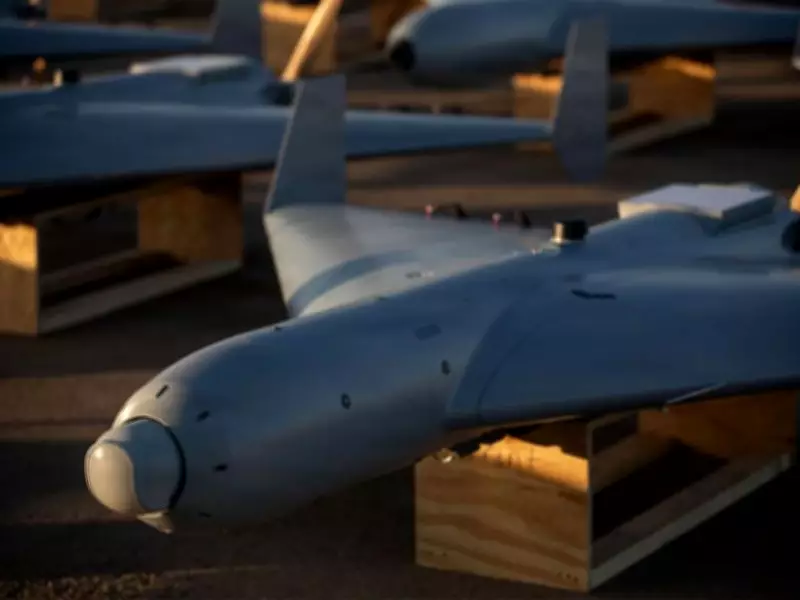
Iran's drone program has seen significant progress, with new models showcasing extended range, improved stealth features, and enhanced payload capacities. These developments have enabled Tehran to conduct surveillance and potential strike operations far beyond its borders, raising concerns among neighboring countries and global powers.

Missile Arsenal
In the missile domain, Iran has reportedly upgraded its inventory with more accurate and longer-range systems. The report emphasizes that these advancements are not merely incremental but represent a qualitative leap that could alter the strategic balance in the Middle East. The US and its allies had previously assumed that Iran's missile program would face greater difficulties in overcoming technological hurdles.
Implications for Regional Security
The rapid rebuilding of Iran's military capabilities has direct implications for regional security dynamics. Countries such as Israel, Saudi Arabia, and the United Arab Emirates have expressed alarm over the potential threat posed by Iranian drones and missiles. The report suggests that Tehran's enhanced capabilities could embolden its foreign policy and support for proxy groups across the region.
Furthermore, the findings challenge the effectiveness of current US strategies aimed at curbing Iran's military ambitions. The report calls for a reassessment of intelligence assessments and a more robust approach to countering Iran's technological advances.
International Reactions
International reactions to the report have been mixed. Some Western officials have acknowledged the need for updated intelligence, while others have downplayed the extent of Iran's progress. Meanwhile, Iranian authorities have touted their achievements as a sign of national resilience and self-sufficiency in defense production.
The report concludes that Iran's ability to rebuild its drone and missile capabilities faster than expected underscores the limitations of sanctions and military pressure alone. It recommends a combination of diplomatic engagement and targeted countermeasures to address the growing challenge.