Iranian President Pezeshkian Signals Openness to Negotiations with the United States
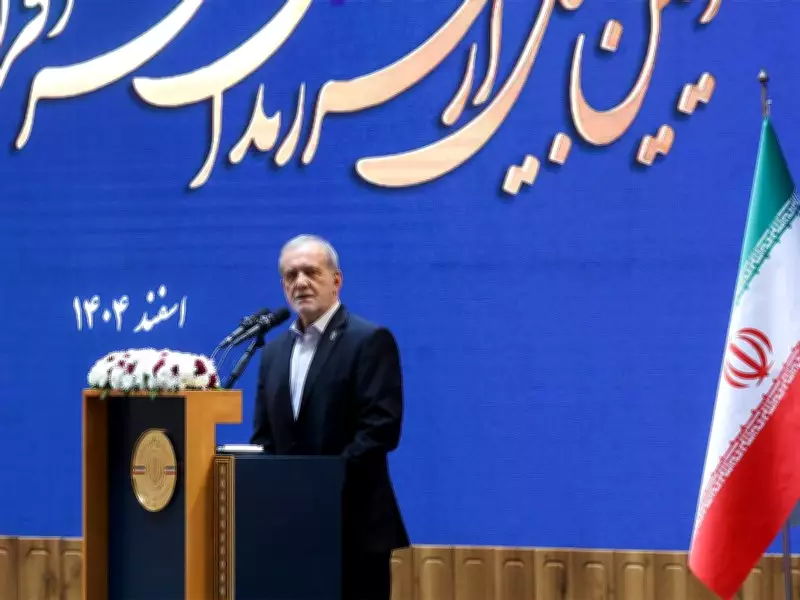
In a recent statement that could herald a shift in Tehran's foreign policy, Iranian President Masoud Pezeshkian expressed a willingness to engage in negotiations with the United States. Speaking to reporters on Sunday, Pezeshkian remarked, "It is not logical to say that we will not negotiate with the United States." This comment marks a notable departure from the hardline stance often adopted by Iranian officials.
Context of the Statement
The president's remarks come amid ongoing tensions between Iran and the US, particularly over Iran's nuclear program and its regional activities. The US has maintained a policy of maximum pressure on Iran, including economic sanctions, while Iran has consistently demanded the lifting of sanctions before any dialogue. Pezeshkian's statement suggests a potential opening for diplomatic engagement, though he did not specify any preconditions or timelines.
Domestic and International Reactions
Within Iran, the comment has sparked debate among political factions. Hardliners, who view negotiations with the US as a sign of weakness, have criticized Pezeshkian's stance. Conversely, reformists and moderates have welcomed the statement as a pragmatic approach to resolving the country's economic challenges. Internationally, the US State Department has not yet issued an official response, but analysts speculate that this could be a positive step toward de-escalation.

Implications for Iran-US Relations
If pursued, negotiations could cover a range of issues, including the revival of the 2015 nuclear deal, formally known as the Joint Comprehensive Plan of Action (JCPOA). The deal, which limited Iran's nuclear activities in exchange for sanctions relief, was abandoned by the US in 2018 under the Trump administration. Iran has since expanded its nuclear program, enriching uranium to near weapons-grade levels. A return to negotiations might aim to curb these activities and lift sanctions, providing economic relief to Iran.
Challenges Ahead
Despite Pezeshkian's openness, significant obstacles remain. Hardliners in Iran's parliament and security apparatus may resist any rapprochement with the US. Additionally, the upcoming US presidential election could affect the timing and nature of any potential talks. Pezeshkian's government must also navigate regional dynamics, including relations with Israel and Saudi Arabia, which are wary of any US-Iran detente.
In conclusion, President Pezeshkian's statement represents a significant rhetorical shift, but whether it translates into concrete diplomatic action remains to be seen. The international community will be watching closely for any follow-up moves from Tehran and Washington.