Japan on High Alert After Significant Offshore Earthquake
The Japanese authorities have issued an urgent tsunami advisory following a substantial earthquake that struck off the country's northeastern coast. The seismic event, measuring 6.2 on the Richter scale, has prompted immediate safety warnings for coastal regions.
Earthquake Details and Immediate Response
The earthquake occurred on November 9, 2025, with the first tsunami waves being detected at 5:12 p.m. local time (0812 GMT). According to NHK, Japan's national public broadcasting organization, the initial tsunami activity was observed approximately 70 kilometers (45 miles) off the coast of Iwate Prefecture.
Meteorological officials confirmed that the earthquake's epicenter was located in the Pacific Ocean, generating concerns about potential tsunami impacts along Japan's vulnerable coastline. The Japan Meteorological Agency immediately activated its emergency warning systems, urging residents in affected areas to move to higher ground.

Expected Impact and Safety Measures
Authorities have warned that tsunami waves are expected to reach the Pacific coastline of Japan soon after the initial detection. The advisory specifically highlights risks for coastal communities in Iwate Prefecture and surrounding regions.
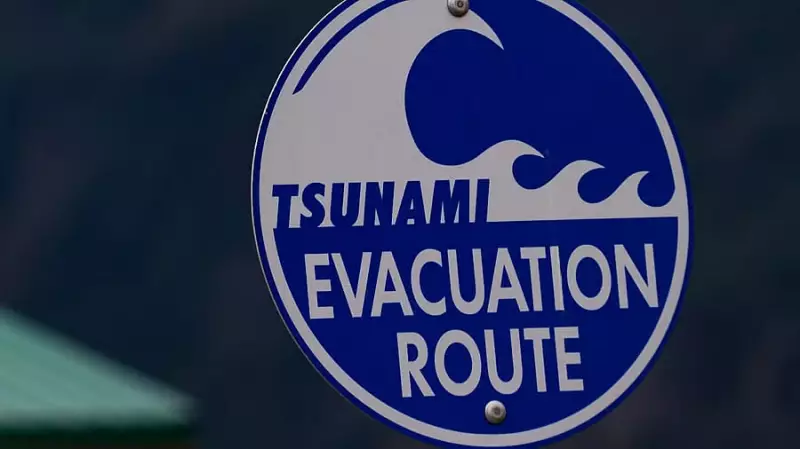
Emergency response teams have been activated, and coastal communities are implementing established evacuation protocols. Residents in low-lying areas have been instructed to:
- Immediately evacuate to designated safe zones
- Stay away from beaches and coastal areas
- Monitor official updates from NHK and government agencies
- Follow instructions from local authorities without delay
The timing of the earthquake at 5:12 p.m. local time means many residents and workers were still active, requiring rapid public communication and evacuation coordination. Transportation services along coastal routes have been temporarily suspended as a precautionary measure.
Regional Context and Preparedness
Japan, situated along the Pacific Ring of Fire, regularly experiences seismic activity. The country has developed one of the world's most sophisticated tsunami warning systems following the devastating 2011 earthquake and tsunami that caused widespread destruction.
While the current 6.2 magnitude earthquake is significantly smaller than the 2011 event, authorities are taking no chances, remembering the lessons from previous disasters. The quick issuance of the tsunami advisory demonstrates Japan's improved emergency response capabilities and commitment to public safety.
International monitoring stations across the Pacific are tracking the tsunami's progression, though current indications suggest the primary impact will be confined to Japanese coastal areas. Neighboring countries have been notified as part of standard regional cooperation protocols.