The Japanese authorities have issued an urgent tsunami advisory for Iwate prefecture in northern Japan following seismic activity detected off the Pacific coastline. The alert comes as a precautionary measure to ensure public safety in the coastal regions.
Tsunami Detection and Timing
According to the national broadcaster NHK, a tsunami was observed approximately 70 kilometers (45 miles) off the coast of Iwate Prefecture at 5:12 p.m. (0812 GMT) on November 9, 2025. The seismic activity was detected in the Pacific Ocean, prompting immediate response from Japanese meteorological authorities.
The tsunami waves were expected to reach the Pacific coastline of Iwate prefecture shortly after detection. Meteorological officials closely monitored the situation, tracking the movement and potential impact of the approaching waves on coastal communities.

Emergency Response and Public Safety
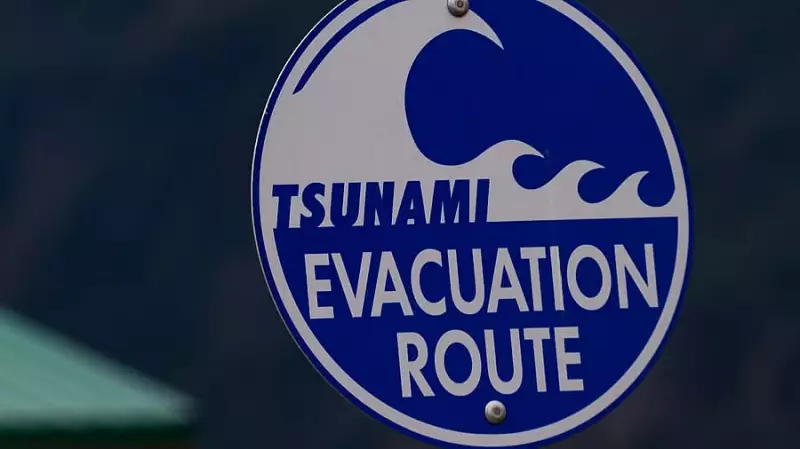
Local authorities in Iwate prefecture activated emergency protocols following the tsunami advisory. Residents in coastal areas were advised to evacuate to higher ground immediately as a precautionary measure. The Japanese emergency alert system was activated to ensure widespread awareness of the potential danger.
Emergency shelters were opened in safe zones, and local government officials coordinated evacuation efforts. The response leveraged lessons learned from previous tsunami events in Japan, particularly the devastating 2011 tsunami that significantly affected the same region.
Regional Impact and Monitoring
While the initial advisory focused specifically on Iwate prefecture, neighboring coastal regions were also placed on alert. The Japan Meteorological Agency continued to monitor sea level changes and provide real-time updates through various communication channels.
International monitoring stations across the Pacific basin were notified of the developing situation. The coordinated response reflected Japan's sophisticated early warning system for seismic and tsunami events, considered among the most advanced in the world.
As of the latest updates, authorities maintained the tsunami advisory while assessing the actual impact of waves reaching the coastline. The situation remained fluid, with officials prepared to escalate warnings if necessary based on incoming data and observations.