

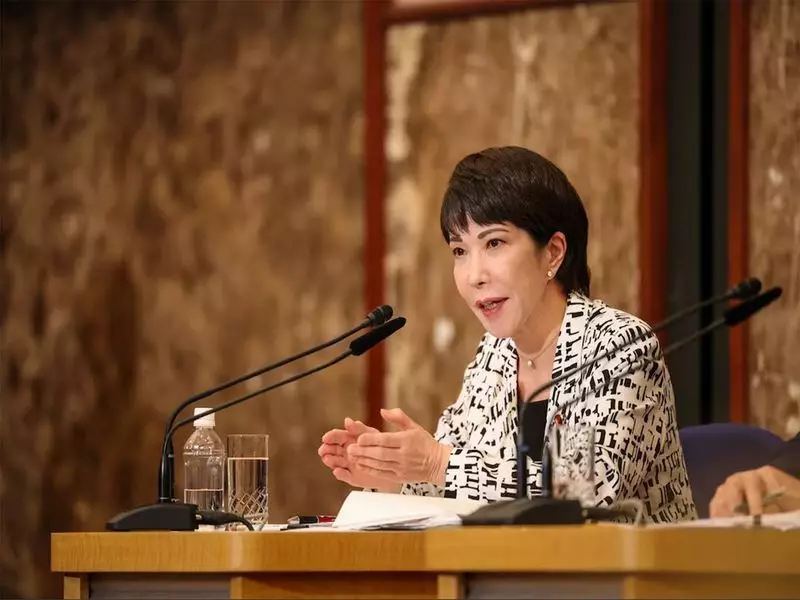
In a significant demonstration of leadership commitment, Japan's newly appointed Prime Minister Sana Takaichi has announced voluntary pay reductions for herself and her entire cabinet of ministers. This decisive move aims to secure funds for implementing crucial government reforms and symbolizes the administration's dedication to fiscal responsibility.
Voluntary Salary Reduction Initiative
The pay cut announcement came directly from Prime Minister Takaichi herself during a recent press conference. The reduction will affect approximately 20 cabinet members, including the Prime Minister, who have all agreed to this voluntary measure. This initiative represents one of the first major policy demonstrations by Takaichi since assuming office, setting a tone of shared sacrifice for the greater good of national reform.
While the exact percentage reduction hasn't been specified in initial reports, the symbolic nature of this gesture carries substantial weight in Japanese political culture. The move follows Takaichi's appointment as Prime Minister earlier this month, marking a clear departure from business-as-usual approaches to governance.

Funding Government Reform Efforts
The primary objective behind this salary reduction strategy is to generate funds that will directly support government reform initiatives. Rather than implementing new taxes or reallocating existing public funds, the administration has chosen to lead by example, starting with their own compensation packages.
This approach demonstrates a practical commitment to finding innovative funding solutions without placing additional burdens on taxpayers. The funds saved through these voluntary pay cuts will be channeled toward specific reform programs that the Takaichi administration has prioritized for implementation.
Political analysts view this move as strategically important for building public trust and demonstrating that government officials are willing to experience personal financial impact when pushing for national improvements.
Political Implications and Public Perception
The decision carries significant political implications for Prime Minister Takaichi's new administration. This gesture establishes early credibility with the Japanese public and sends a strong message about the government's commitment to responsible financial management.
In a country where public trust in political institutions remains a sensitive issue, such symbolic actions can substantially influence popular perception of the new leadership. The voluntary nature of the pay cuts also distinguishes this initiative from mandatory austerity measures, potentially generating broader public support for the administration's reform agenda.
This approach mirrors similar gestures made by political leaders in other nations during times of economic challenge or when implementing significant policy changes. However, in the Japanese context, where consensus and collective responsibility are highly valued cultural principles, the move carries particular resonance.
As Prime Minister Takaichi's administration settles into governance, this salary reduction initiative establishes an important precedent for leadership accountability. The success of this symbolic measure will ultimately be judged by the effectiveness of the reforms it helps fund and the administration's ability to deliver meaningful change for the Japanese people.






