

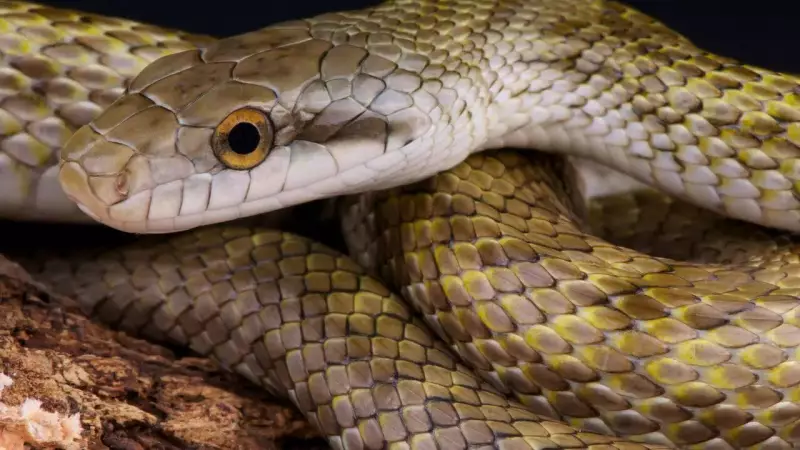
Japan's long archipelago, with its isolated mountains, dense forests, and surrounding seas, fosters a remarkably rich and diverse wildlife ecosystem. Snakes form a crucial, though often overlooked, part of this landscape. Contrary to popular perception, these reptiles are widespread across the country, inhabiting everything from quiet forest floors and rice paddies to riverbanks and coastal areas.
Japan's Most Common Snake Species: A Detailed Look
With over forty species recorded, Japan offers a fascinating glimpse into snake diversity in East Asia. While most are harmless and vital for natural pest control, a few require caution. Understanding these species helps replace fear with knowledge and promotes safer coexistence.
The Japanese rat snake is one of the most frequently seen snakes across the main islands. This large, non-venomous species can grow between three to seven feet long. Its colour varies from yellow-green to blue-green, often with brown stripes that can cause confusion with the venomous mamushi. However, it poses no risk to humans and is excellent at controlling rodent populations.

Easily identified by four dark lines running from head to tail, the Japanese striped snake (or four-lined snake) is typically yellow or light brown. An all-black variant, known as the crow snake, also exists. Found throughout most of Japan except the Ryukyu Islands, this species is non-venomous and harmless.
True to its name, which roughly translates to "the burrower," the jimguri snake is adapted to life beneath the forest floor. It has a reddish-brown body with small, dark markings edged in pale colours. Though largely subterranean, it is often spotted at dawn or dusk. This harmless snake feeds on small forest prey.
Understanding Venomous and Harmless Varieties
The yamakagashi, or tiger keelback, presents a unique case of venom in Japan. Its toxicity doesn't come solely from venom glands but from toxins it acquires by eating poisonous frogs and toads. These are stored in special glands near the back of its mouth for defensive use. While bites are extremely rare, this species is considered dangerous and should not be approached.
Common near rivers, ponds, and forested mountainous areas, the Japanese keelback is a slender, usually small snake. Its distinctive features include a light brown colour and yellow markings around the face. It feeds on frogs and earthworms and, despite not being aggressive, is completely harmless to people.
The mamushi pit viper is Japan's most venomous snake and is responsible for the majority of reported snakebites each year. This small but stout-bodied viper has definitive patterned markings. Its venom requires immediate hospital treatment. While fatalities are rare with proper medical care, the mamushi remains a significant concern in many parts of the country.
Habitat and Regional Distribution Across Japan
Snakes are common throughout Japan, with species found in nearly every ecological zone—from urban parks and farmland to forests, wetlands, and high mountains. An estimated 47 snake species inhabit the country, with only a few posing any serious threat to humans.
Japan's eight major regions, each with distinct sub-climates and habitats, have allowed different snake species to adapt and thrive. Some populations are even region-specific. For instance, rare albino rat snakes can be found in certain parts of Yamaguchi Prefecture, showcasing the unique biodiversity shaped by Japan's varied geography.






