

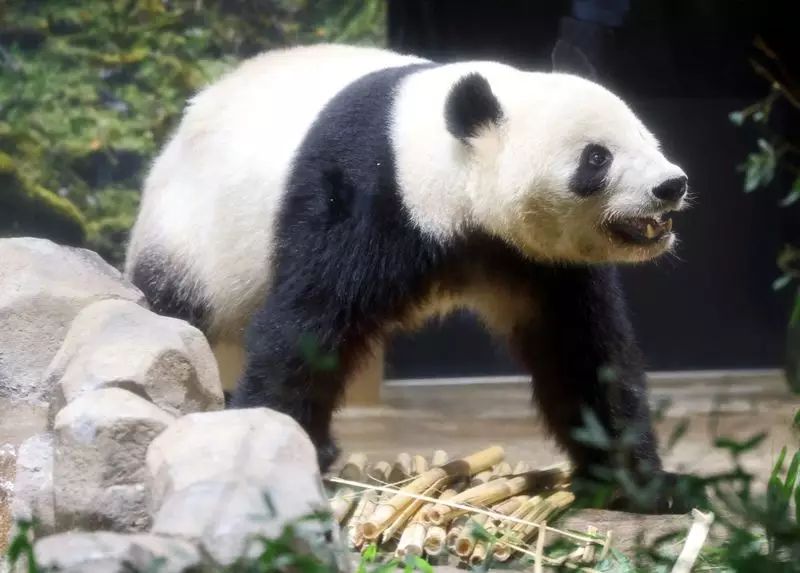
Japan's Final Giant Pandas Depart for China as Diplomatic Relations Face Strain
In a significant development reflecting the current state of international relations, the last two giant pandas residing in Japan have been officially sent back to China. This move marks the conclusion of a longstanding panda presence in Japan, which has historically served as a symbol of friendship and cooperation between the two Asian nations. The departure comes at a time when diplomatic ties between Japan and China are experiencing notable strain, adding a layer of geopolitical context to this wildlife transfer.
End of an Era for Panda Diplomacy in Japan
The giant panda, often regarded as an ambassador of goodwill in international relations, has been a centerpiece of cultural and diplomatic exchanges between China and various countries, including Japan. For decades, these charismatic bears have been loaned to nations as part of China's "panda diplomacy," fostering bilateral ties and promoting conservation awareness. The presence of pandas in Japan has been particularly cherished, with millions of visitors flocking to zoos to catch a glimpse of these rare animals.
However, the recent return of the last two pandas signifies a shift in this diplomatic practice, coinciding with heightened tensions between Tokyo and Beijing. Factors contributing to the strained relations include territorial disputes, trade disagreements, and differing stances on regional security issues. As these pandas embark on their journey back to China, it underscores the broader challenges facing Japan-China relations, potentially impacting future collaborative efforts in areas such as environmental conservation and cultural exchange.

Implications for Wildlife Conservation and Bilateral Cooperation
The departure of the pandas raises important questions about the future of joint conservation initiatives between Japan and China. Giant pandas are an endangered species, and international cooperation has been crucial in their protection and breeding programs. Japan has actively participated in these efforts, contributing to research and habitat preservation. With the pandas now leaving, there is concern that this could affect ongoing conservation projects, though both nations have expressed commitment to maintaining scientific collaboration in wildlife protection.
From a diplomatic perspective, this event highlights how symbolic gestures, such as panda loans, can be influenced by the broader political climate. While the return was planned as part of the standard agreement terms, its timing amidst strained ties adds symbolic weight. Experts note that such moves can serve as indicators of the health of bilateral relationships, with the panda departure potentially reflecting a cooling period in Japan-China interactions.
Looking ahead, the focus will be on whether Japan and China can navigate their differences to sustain cooperation in other domains. The pandas' return may prompt discussions on renewing or revising diplomatic agreements, including potential future panda loans. For now, Japan bids farewell to these beloved animals, as China welcomes them back, with both nations facing the task of managing their complex relationship in an evolving global landscape.






