

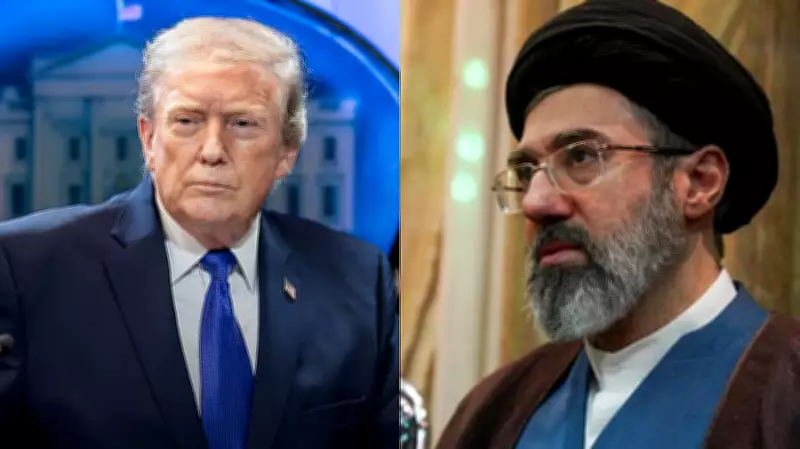
The proposed framework for Iran-US peace talks would unfold in three stages: formally ending the war, resolving the crisis in the Strait of Hormuz, and launching a 30-day window for negotiations on a broader agreement. However, several key hurdles remain, including the nuclear dispute, the potential blockade of the Hormuz strait, and the imposition of sanctions.
Nuclear Dispute
One of the primary obstacles is the ongoing nuclear dispute. Iran's nuclear program has been a point of contention for years, with the US and its allies concerned about Tehran's potential to develop nuclear weapons. Iran insists its program is peaceful, but the lack of transparency and verification mechanisms has led to mistrust. Any peace deal must address these concerns, potentially including stricter inspections and limits on enrichment activities.
Strait of Hormuz Blockade
The Strait of Hormuz is a critical chokepoint for global oil supplies, and any blockade or disruption there could have severe economic consequences. Iran has threatened to block the strait in response to sanctions or military action, which would escalate tensions further. Resolving this crisis is essential for regional stability and global energy markets. The proposed framework includes a specific stage dedicated to this issue, but details remain unclear.

Sanctions Relief
Sanctions have been a major tool of US policy against Iran, crippling its economy. Iran demands full sanctions relief as a precondition for any agreement, while the US insists on verifiable compliance first. The 30-day negotiation window aims to bridge this gap, but both sides must show flexibility. The removal of sanctions could boost Iran's economy and moderate its behavior, but it also risks enabling further destabilizing activities if not carefully monitored.
Broader Agreement
Beyond the immediate issues, a broader agreement would need to address Iran's regional influence, its ballistic missile program, and its support for proxy groups. These are long-standing concerns that have fueled conflicts in Yemen, Syria, and elsewhere. The three-stage framework provides a structured approach, but success depends on mutual trust and political will. The international community, including the UN and regional powers, will play a crucial role in facilitating talks and ensuring compliance.
In conclusion, while the proposed framework offers a path forward, the hurdles are significant. The nuclear dispute, Hormuz blockade, and sanctions are intertwined challenges that require creative diplomacy and compromise. The 30-day window is a critical opportunity, but without addressing these core issues, lasting peace may remain elusive.






