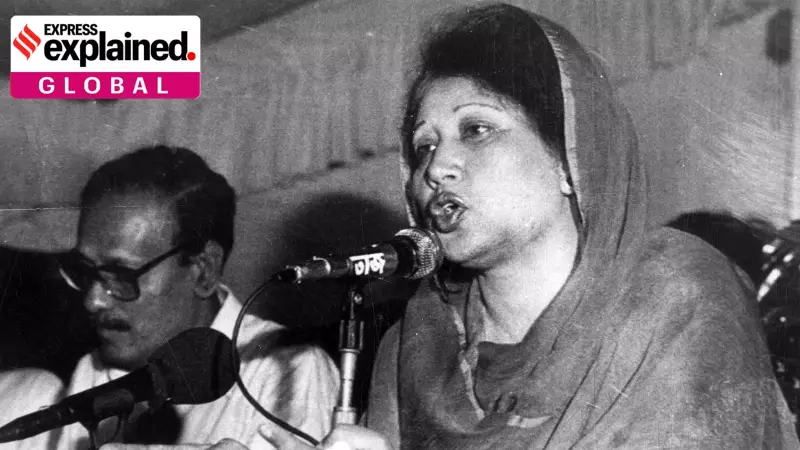
The political landscape of Bangladesh entered a period of profound transition with the passing of its first woman Prime Minister, Khaleda Zia, on Tuesday, December 30, 2025. The chairperson of the Bangladesh Nationalist Party (BNP) was 80 years old. Her death comes at a critical juncture, as the country prepares for elections in about two months and her party experiences a resurgence following the toppling of the Awami League regime last year.
From Tragedy to Leadership: The Making of an Uncompromising Leader
Khaleda Zia's entry into politics was not one of ambition but of tragic circumstance. Born Khaleda Khanam "Putul" in 1945 in Feni, she married army officer Ziaur Rahman in 1960. Her husband, a key figure in the 1971 Liberation War, later founded the BNP and became President. His assassination by a group of military officers in 1981 thrust Khaleda, a political novice, into the spotlight.
Facing internal party scepticism and the might of General H.M. Ershad's military regime, she assumed leadership of the BNP in 1984. Her steadfast resistance to authoritarian rule and her refusal to compromise earned her the iconic title of the 'uncompromising leader'. Remarkably, she won every single parliamentary seat she ever contested, a unique feat in Bangladesh's history.

Two Terms in Power: Reforms, Alliances, and an Anti-India Tilt
Khaleda Zia's political perseverance paid off when she led the BNP to victory in the 1991 elections, which marked the end of military rule. Serving as Prime Minister from 1991 to 1996, she continued her husband's policies, advocating for a role for Islam in public life, promoting private enterprise, and implementing education reforms that boosted literacy rates.
Her second term, from 2001 to 2006, was defined by a dramatic political comeback and a significant strategic shift. She led a four-party alliance, which included conservative Islamist parties like the Jamaat-e-Islami, to a landslide two-thirds majority. This period saw a notable strain in relations with India. Analysts note her government's "anti-India tilt," which involved providing support to Indian insurgent groups in the northeast and the rise of Islamic extremist groups. During this time, China emerged as a key international partner, building on ties first established by Ziaur Rahman.
Decline, Conviction, and a Family's Political Resurrection
The BNP's loss in the 2008 elections began a long period of decline for Khaleda Zia under the subsequent Awami League government led by her arch-rival, Sheikh Hasina. In the 2010s, she was convicted of embezzling funds from an orphanage trust named after her husband and sentenced to five years in prison. Although she secured bail, her health deteriorated, forcing her retreat from active politics.
However, the political wheel has turned. The fall of the Hasina regime in 2024 revived the BNP's fortunes. Zia's son and acting BNP chairman, Tarique Rahman, returned to Dhaka from London on December 25, 2025, to a massive reception from supporters. With elections imminent, his mother's death could galvanise further support, potentially positioning him as a front-runner and marking a new chapter for the Zia political dynasty amidst the ongoing turmoil in Bangladesh.